This Question Can Fix Star Wars: Who Are the Knights of Ren?

This Question Can Fix Star Wars: Who Are the Knights of Ren?

Who Are the Knights of Ren?
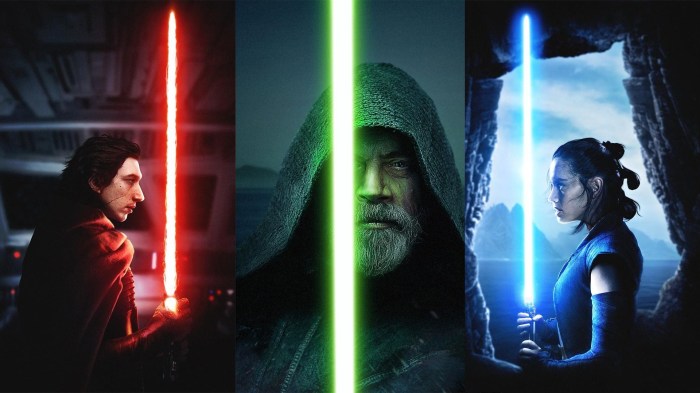
ren 9

Last Jedi Spoilers Ahead!

Some people were not happy with Star Wars: The Last Jedi. The film seems to have split the fans down the middle. There are those that love it and those that hate it. There are people who don’t fit into either of those two groups of course, but those two viewpoints have received the most attention. What if I told you that there’s a way that might satisfy both viewpoints in the future? What if I told you that the key to respecting both groups of people (as much as much as possible, you can never please everyone) can be found with one simple question.

This question, if answered correctly, could save the Star Wars storyline from some serious problems in the future, and it might even help them improve the plot. Well, it’s a possible solution. What’s this question, you might ask?

“Who are the Knights of Ren?”
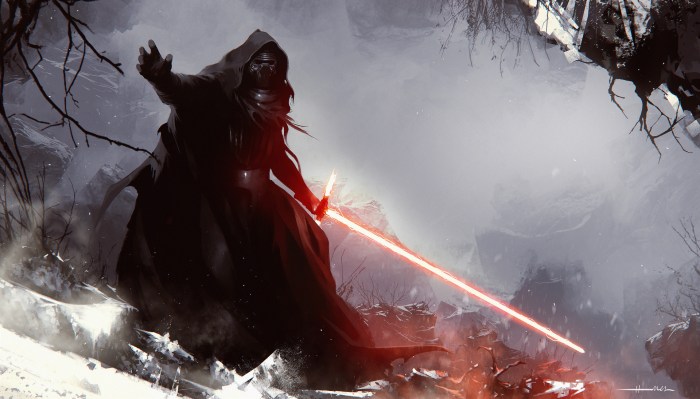
ren 8


It can’t be that simple, right? ‘The answer to a single question can’t do that much for a story’, you might think. And you’d be right, if we took the question at face value. But if we dig deeper and look at how the answer affects other points in the plot, we might find the question is deeper than it might seem.

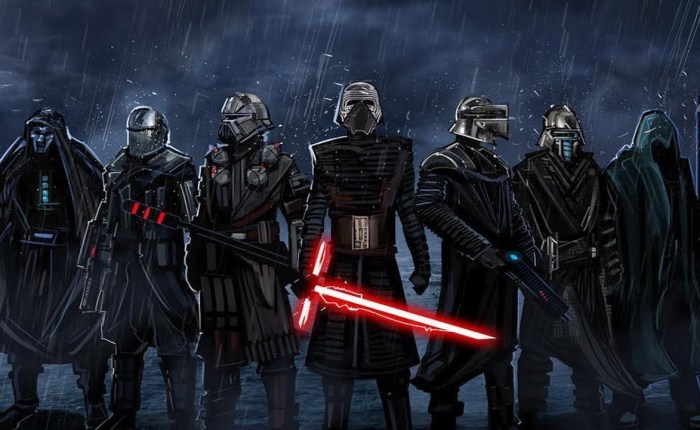
Let me start at the beginning. What do we know for sure about the Knights of Ren so far? Practically nothing, except for the fact that Kylo Ren leads them and that they’re the origin of his ominous name. They’re supposed to be elite warriors based on what the filmmakers have said. That’s not a lot to go on, is it? Maybe there’s something more to this group than meets the eye, especially since Kylo Ren thinks they’re important enough to name himself after! Why would Ben Solo change his name to Kylo Ren instead of something like ‘Kylo, Master of Ren’ or some other fancy Dark Side title. I might be thinking too hard about it, and it could be as simple as it sounds. But, I believe that he chose to name himself after the group he led because they were crucial to what he would become.
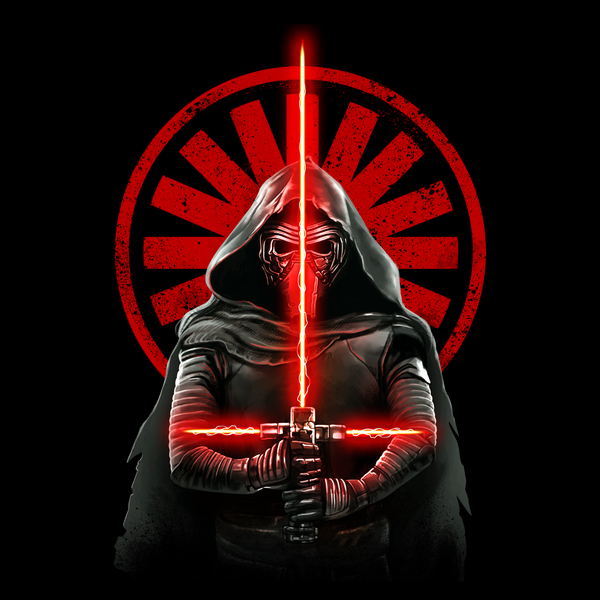
ren 3

Let’s say, for the sake of argument, that Kylo is very close to the Knights on a personal level and he’s not just their leader. What would make the Knights so special to him? What if the Knights were always with him? What if the Knights of Ren were there since Kylo’s days in Jedi training?

What if the Knights of Ren are the other Jedi apprentices…

Can we assume that Snoke would be able to manipulate more of Luke Skywalker’s students than just Kylo Ren? In both episode VII and VIII it was stated Snoke had twisted Kylo’s mind from a distance, without Luke even realizing it was happening until it was too late. I don’t think it’s too much to say Snoke could have done this with the other students as well. Snoke showed that he could read every thought of someone as powerful as Kylo and connect the minds of Rey and Kylo over vast distances, so it’s not a stretch to say that he could’ve twisted the minds of less powerful Jedi.
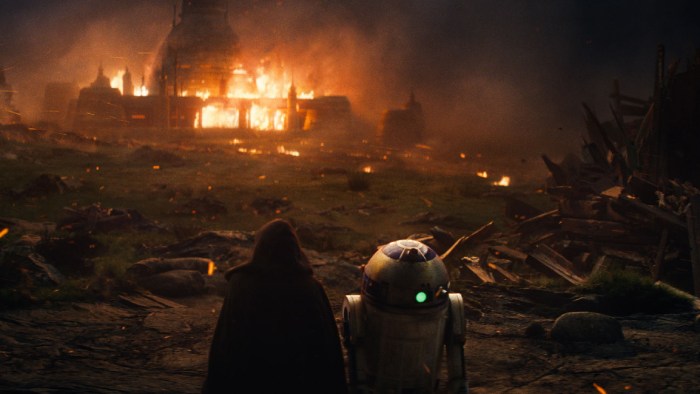
ren 11

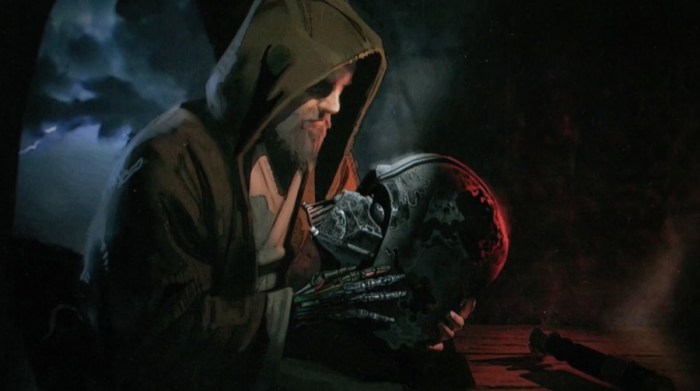
If that’s true, why not take it a step further? Why couldn’t Luke be manipulated by Snoke as well? What if, when Luke went to attack Kylo in his sleep in The Last Jedi, it wasn’t the Luke we know. What if his mind was being poisoned by Snoke against his will? ‘But he’s too powerful for that!’, you might think, and you’re right. Luke doesn’t follow through with what his poisoned mind tried to do, he snaps out of it at the last second. Instead of hesitation or second thoughts, I think it’s plausible that his change of heart might have been him breaking free from the Dark Side Influence and going back to his right mind.

This would also explain why Luke felt so guilty and tried to hide when Rey came looking for him. Not only did he lose most of his students to the Dark Side, with his own nephew as their leader no less, but he was also manipulated himself into doing something against his own beliefs… Something he swore he would never do, but he did and he’s afraid that he might do it again, so he hid away from the galaxy. That way Snoke could never control him again.
d59

After that, nothing could stop Snoke from pitting his new apprentices against one another as a test for Kylo. They could’ve fought until Kylo was the only one left; a brutal way to ensure Kylo would walk down the path to the Dark Side, and an explanation for why he doubts the Dark Side in Episode VII. It certainly shows why Kylo would want to kill Snoke so badly.

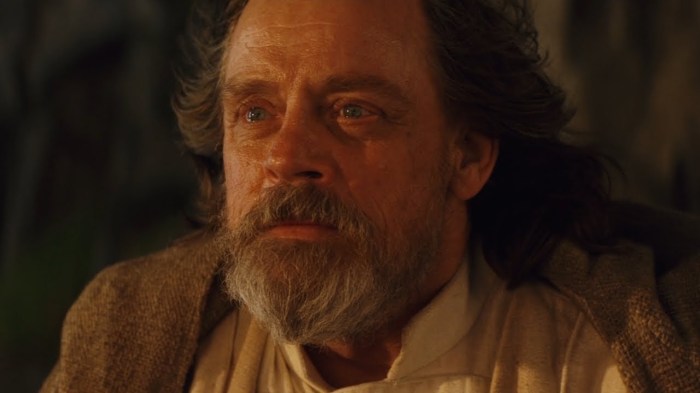
And so, when Snoke finally dies Luke decides to face his nephew and leave his exile. The threat of his mind being manipulated by Snoke’s power would finally be over! This might also be why Luke ultimately sacrifices himself. Snoke’s power could have prevented Luke from manifesting as a Force Ghost. Luke would be far more powerful than Rey and Kylo as a Force Ghost, just like Obi-Wan and Yoda. So, it’s possible that when he was freed from Snoke, he could have let himself be killed to ascend to an even greater power. Maybe that last one is a bit of a stretch even for me, but it might be possible.
ren 13


This solution isn’t perfect, and it won’t please everyone but it’s a start! And think about the implications this could have on the plot moving forward! Not only would it help fix some of the problems that fans had with the movie, but it would open amazing new possibilities for telling stories… maybe we can even see more of Snoke and his origins in the future…

What do you think? Do you have any other ideas to help the story of Star Wars in the future? We’d love to hear them!
d53

How Captain America Was Almost Erased From Marvel History (The Surprising History of Captain America)

How Captain America Was Almost Erased From Marvel History (The Surprising History of Captain America)

cap 2

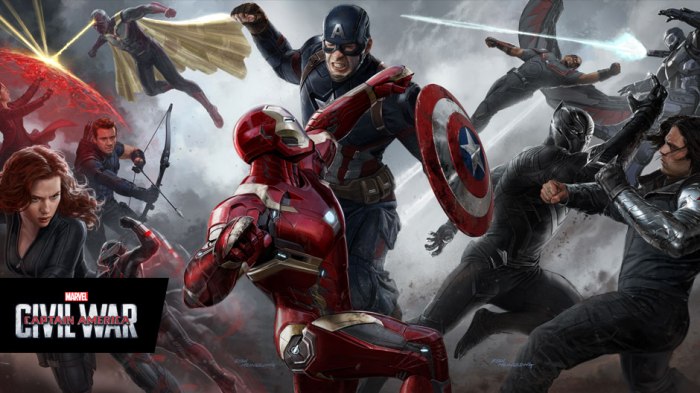
Captain America is easily one of the greatest and most recognizable comic book characters of all time. He is pretty much featured in every ‘top superheroes’ list and is often sited as one of Marvel’s flagship heroes, alongside the likes of Spider-Man, Thor, and Wolverine. Now with the Marvel Cinematic Universe, Captain America is more popular than ever, constantly toe-to-toe with Iron Man as the franchise’s most iconic character.

cap 10

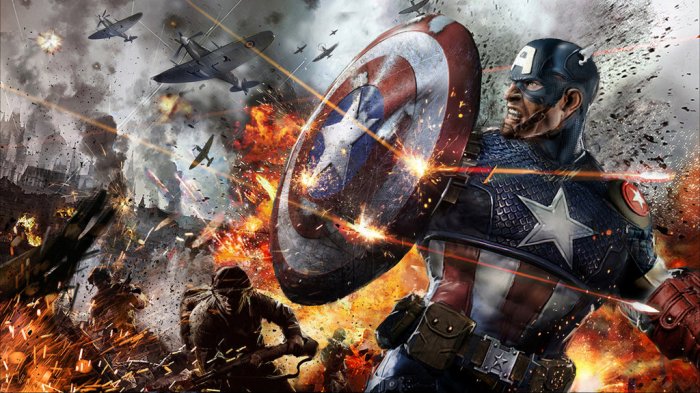
But, did you know that this almost never happened? Did you know that Captain America almost never existed in the Marvel Universe? For those of you who don’t know, we must go back in time to explain. We must go back to 1940, when Marvel Comics went by a different name; Timely Comics.

During this time, the comic publishing house that would one day become one of the industry’s forerunners, was nothing more than a small company trying to keep afloat amidst the explosion of DC’s (known as National Comics at the time) superhero characters. Realizing that superheroes were the future of comics, writer Joe Simon decided to create a character of his own for Timely. The character, inspired by Simon’s disgust over the Nazi agenda and America’s lack of involvement in combating them, was created with artist Jack Kirby in 1940 as a political statement. Thus, a superhero legend was born in the form of Captain America.

cap 9

Captain America was an instant success, with his first issue selling almost 1 million copies; a monumental feat for comics at the time. There was something about the character which instantly connected with the public. Perhaps the connection came from Cap’s bravery, self-sacrifice, loyalty, humility, or even his relatable origins as a weakling with a big heart. No matter the reason, people couldn’t seem to get enough of him. Captain America quickly became Timely Comic’s most popular character, and even rivaled some of the biggest heroes from other publishers during the era.

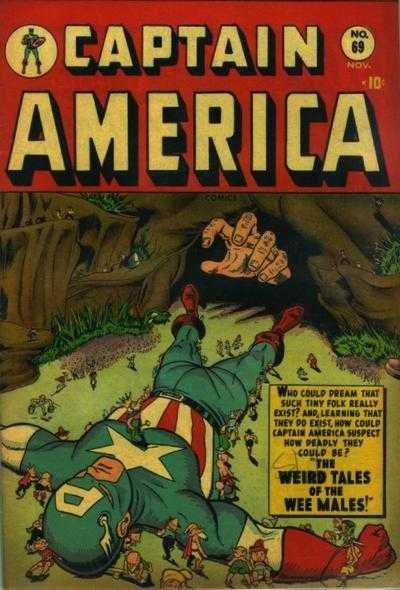
But as they say, all good things must come to an end, and with the end of WW2 the popularity of Captain America began to wane. The writers of Captain America didn’t know what to do with the extremely patriotic Captain without the black-and-white evils of the Hitler to function as a backdrop. It was clear that they could not continue writing Captain America the same way. However, instead of keeping the character’s personality and integrity, they made the mistake of using him as branding tool to sell their stranger and less-marketable comics. As a result, the character suffered even more and was eventually dropped.

cap 21
Seriously… is THIS ridiculousness what you want to associate Cap with?!?

The character stayed in limbo from 1949-1953 where he went largely ignored by Timely Comics, which was renamed Atlas Comics in 1950. In 1953 Atlas tried to revive many of its forgotten superhero titles and Captain America was first on the list to receive the new treatment. Atlas had the idea to not only revive the characters, but to also rebrand them, with Captain America now called “Commie Smasher” and being pitted against any ‘anti-American’ enemy that Atlas could imagine; often changing Cap’s personality to fit their more cynical stories. The result of this change in Cap’s morals and integrity was disastrous. Fans rejected the revival, and this version of the character didn’t last a year before being cancelled.

cap 19

This was a major blow to the character, and Captain America seemed as if he would never rise to popularity again. It seemed as if Captain America would die a very slow and painful death as he slowly vanished from the public eye. Years passed, and although Cap never technically disappeared from Atlas entirely, he seemed to be constantly ignored.

Captain America almost disappeared forever. In fact, it looked as if comics would never see the good Captain’s return.

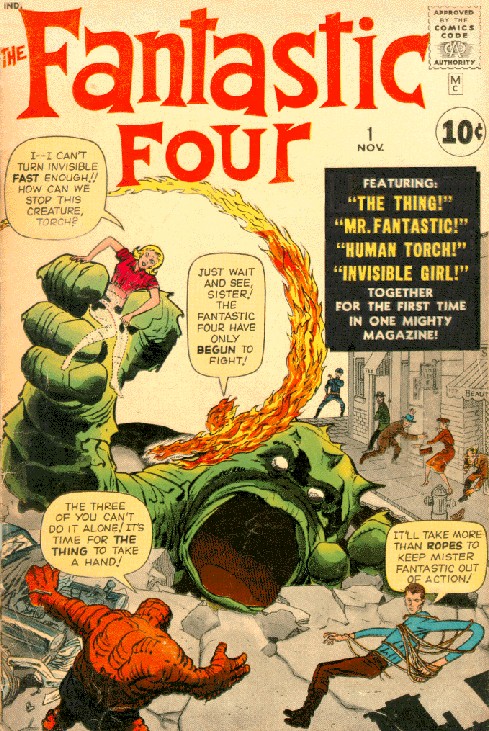
However, by 1961 two things would happen that would change the comic book industry forever. The first was cosmetic. After going through years of branding turmoil, leadership changes, and financial hardships, the company finally permanently renamed itself as Marvel Comics, the moniker that would eventually go down in history as one of the biggest names in comics. The second thing was much more tangible; the debut of Stan Lee’s ‘Fantastic Four’ which marked the first major step in Lee’s rapid rise as the comic industry’s biggest name. It also rebooted Marvel’s in-story universe; tying it all into a single interconnected continuity. The combination of the company’s attempt to rebrand itself, Stan Lee’s revival of superhero comics, and a firm new direction for its publications, all made the time ripe for a triumphant return.

cap 22

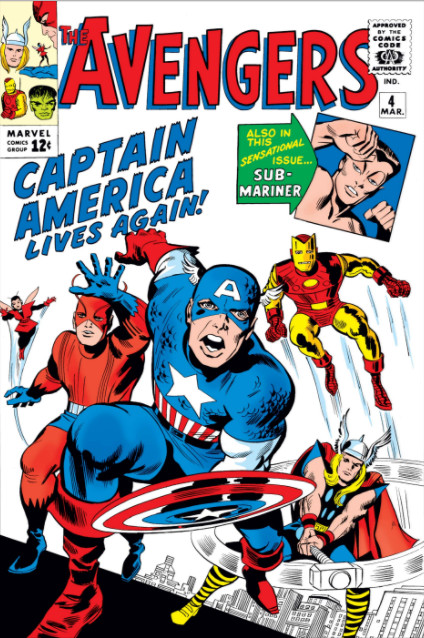
In 1964, after 10 years of obscurity and neglect, Captain America finally made his triumphant return in 1964’s Avengers #4. Stan Lee had insisted on the return of the icon that he grew up with, and personally championed the retcon (meaning retroactive continuity) that changed Captain America’s history to fit the new emerging canon of superheroes in the 60’s. Firstly, gone were the embarrassing Captain Americas of the 50’s, which were revealed to be imposters that took over for the real Captain America. Secondly, it was soon revealed that, although Captain America had been thought dead since 1945, he was instead hidden beneath the ice of the North Atlantic Ocean, frozen in an ageless state; waiting to be revived. His emergence from this ‘suspended animation’ in Avengers #4 was an instant success. The rest is history.

cap 18

Finally, the person writing Captain America’s story was someone who cared about the character’s personality and rich history. It certainly showed, as Captain America quickly gained the status of Marvel’s moral center; the character that fans could count on to do the right thing, no matter the cost. He’s someone to aspire to, and we all want to be like him. Even after his 75-plus years of existence, Captain America still challenges us to be the best that we can be, and to consider our fellow man over ourselves. He remains one of the most beloved comic characters of all time. So, it’s astounding to think that he was almost erased from comics forever! Could you imagine if he never existed in the Marvel Universe that we know and love today? We certainly can’t!

Let us know what you think makes Captain America so popular!

cap 6

Walt Disney’s Final Dream: Legacy of Utopia (The EPCOT that never came to be Pt.3)

Walt Disney’s Final Dream: Legacy of Utopia (The EPCOT that never came to be Pt.3)

A Tribute to 95 Years of the Walt Disney Company

(Note: This is the final part of a 3-part post. You can find Part 1 HERE and Part 2 HERE.)

Screenshot (61)

“Walt Disney World is a tribute to the philosophy and life of Walter Elias Disney… and to the talents, the dedication, and the loyalty of the entire Disney organization that made Walt Disney’s dream come true. May Walt Disney World bring joy and inspiration and new knowledge to all who come to this happy place … a Magic Kingdom where the young at heart of all ages can laugh and play and learn together.”

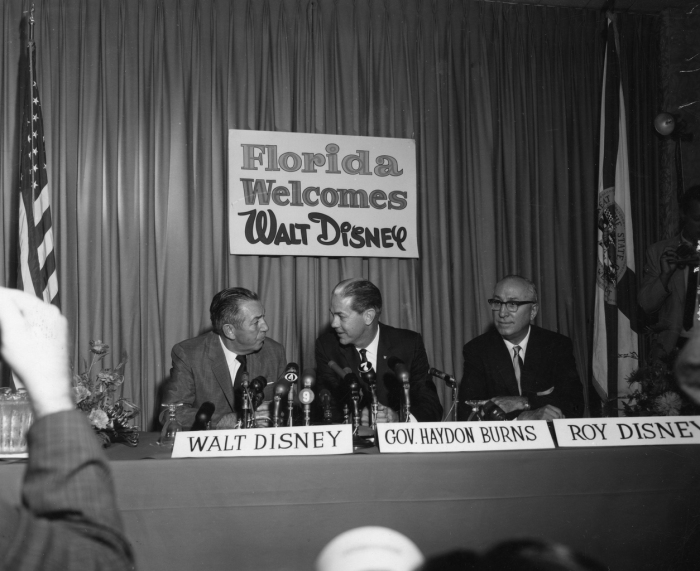
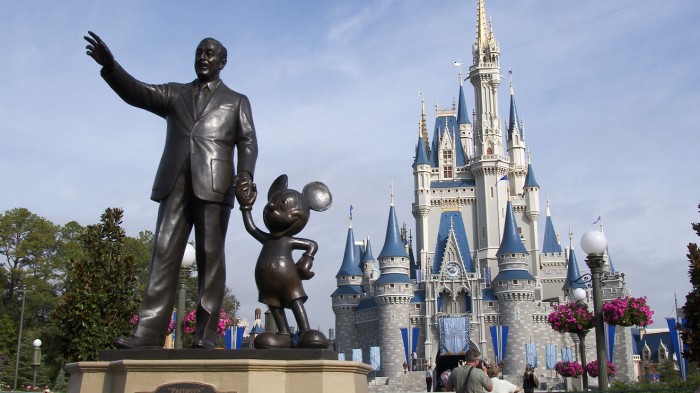
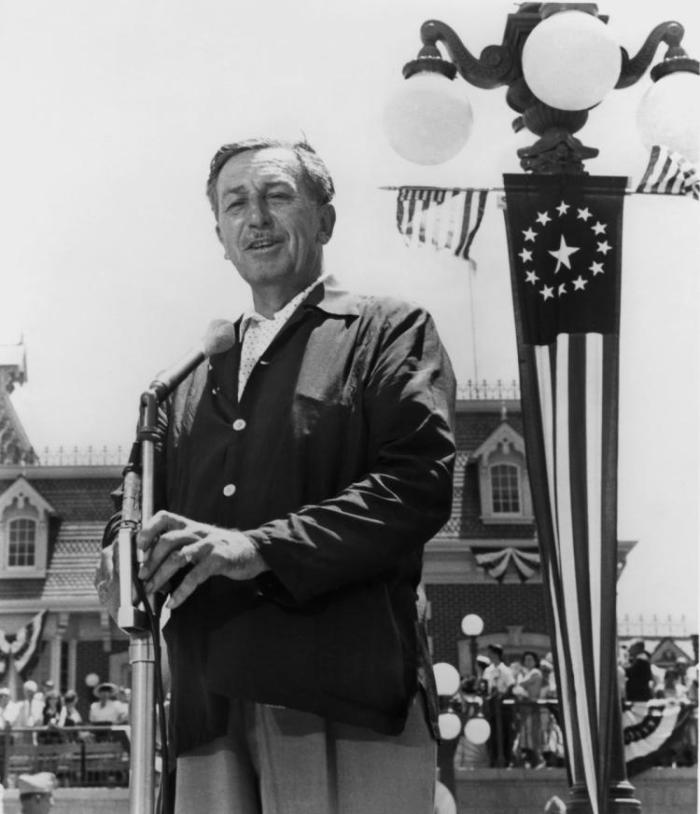
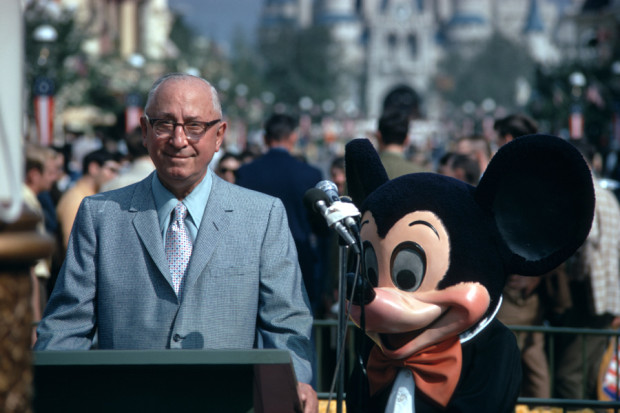
Roy O. Disney, Walt Disney’s brother and lifelong partner, stood in front of dozens of cameras on October 25th, 1971 as he dedicated the Walt Disney World Resort. Roy had always been camera shy, and it wasn’t easy for him to be the center of attention. That was always Walt’s thing. But now Walt Disney was gone. Roy had lost his best friend and business partner five years earlier, and although half a decade had passed, Roy still missed him terribly. It just wasn’t the same without Walt.epcot 52To honor his brother, Roy, then acting as CEO of the Walt Disney Company, had decided to officially rename Disney World as Walt Disney World; a small but powerful change that reminds the world who it was that started the Disney magic in their hearts. Roy decided to do everything he could to ensure that his brother’s final dream came to be. If Roy had anything to say about it, EPCOT, Walt’s final dream for a utopian city, would come true. He would make it a reality, no matter how much the board protested.
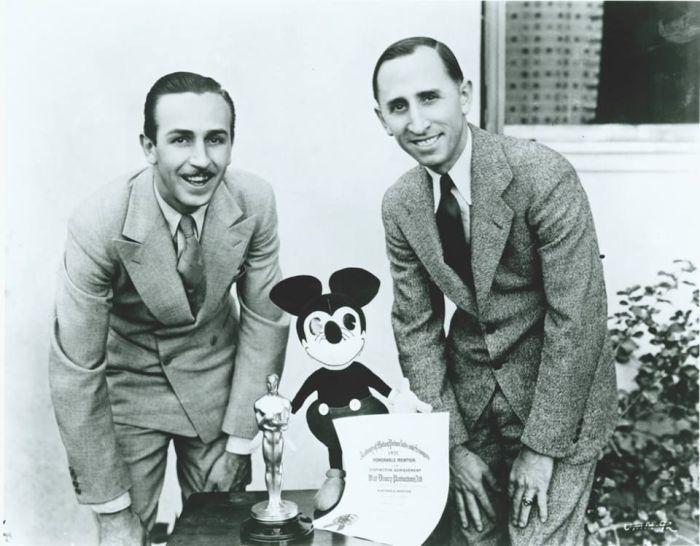
But sadly, it was not to be. A mere two months after he gave the dedication for Walt Disney World, Roy passed away. On December 20th, 1971, Roy Disney died at age 78, and the Walt Disney Company was left without the stable leadership of either of its founders.epcot 48Due to this, EPCOT would sadly never come to be. But that does not mean that all the ideas which came with it had to die. In fact, although we will probably never get to see Walt Disney’s final dream come to fruition, we can still see sparks of it in the final design of what became Walt Disney World.
3: Revisiting Utopia

epcot 47

It wasn’t as if nobody tried to make Walt Disney’s dream of EPCOT a reality. Even after Roy’s death, members of the board who believed in Walt’s dream still championed the cause. In the late 1970’s Card Walker, Disney’s CEO at the time, even tried to get the board interested in the concept again. But every time the concept was brought up, it was shot down as too risky. Perhaps it was risky without the guiding vision of Walt Disney. With Walt Disney, nothing had seemed impossible. But after his death, the company was thrown in to turmoil, functioning on a “what would Walt do” philosophy, but without the actual vision and endless enthusiasm that the man himself had. It was a rough time for the company.

The result of this philosophy led to a sort of compromise. The Disney Board would allow the Walt Disney World resort to expand and add another theme park in honor the idea of EPCOT, but they would not actually build the city. So, the Imagineers, many of whom had known Walt Disney personally, decided to pour their hearts and souls into this ‘new’ EPCOT. Even if it wasn’t going to be the dream that Walt had in mind, they were determined to pay tribute to it as much as possible.

epcot 19

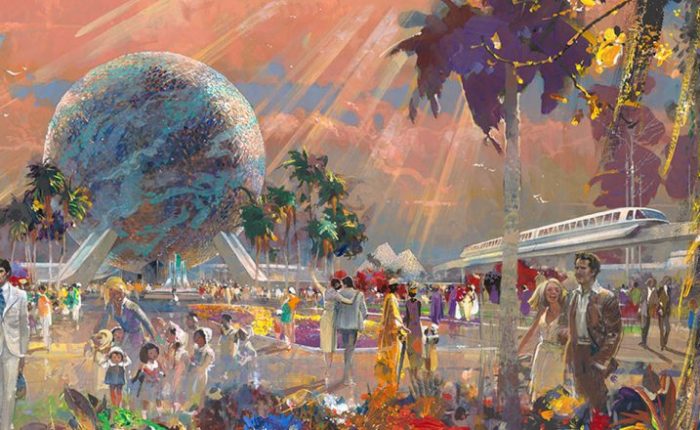
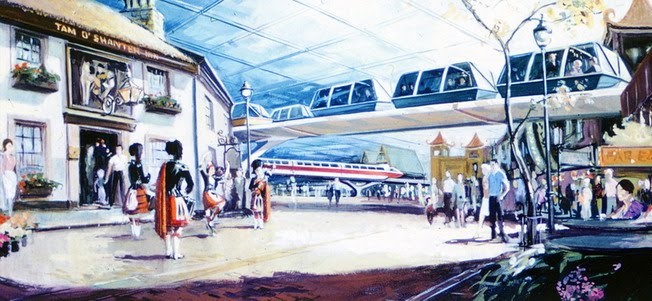
A team of dedicated artists and craftsmen poured over the plans for EPCOT, trying to see what they could keep from the concepts and what would have to be removed. They settled upon the seemingly opposite concepts of technological innovation and honoring world culture. On one side of the park, Walt’s idea to show off the latest technology to visitors around the globe was repurposed as Future World. On the other side of the park, Walt’s idea of having a common place where the history and culture of every country could be honored and practiced came to be reimagined as World Showcase.

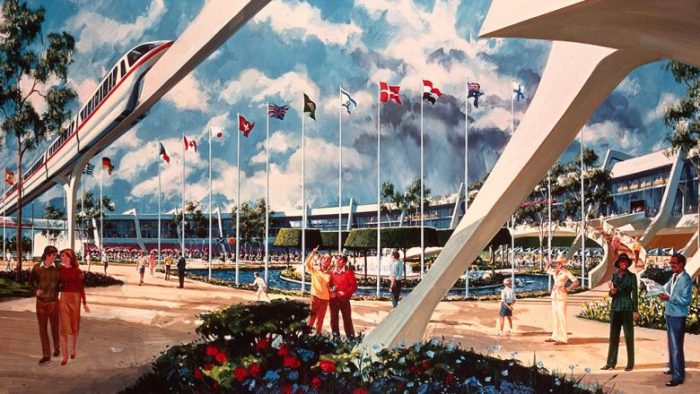
The Monorail went on to become the major transportation system for the entire Walt Disney World Resort, even if it wasn’t used quite the same way it was originally planned. The PeopleMover sadly never became the traffic-eliminating system that it was intended to be for future cities, but it was beautifully realized in the Magic Kingdom where guests can still get a taste for Walt’s vision for ease-of-access transportation today.

epcot 10.2

Even EPCOT’s major means of funding was derived from Walt’s original plans. Partnerships with the world’s leading corporations, and even with the governments of the countries that the Imagineers would honor, led to the creation of a sort of permanent world’s fair and helped make sure that EPCOT would have the money it needed to get started. The leaders of industry from around the world would make sure that EPCOT would be up-to-date with the latest technological wonders and attractions, just like Walt had planned for the homes of his original concept.

epcot 3.2

It’s hard to tell if EPCOT as it was originally intended would have been a success, but Walt Disney proved time and again that he was a man who could accomplish the “impossible”. It would have been fascinating to find out if that would have been the case in this instance. Even though EPCOT evolved into something different from what Walt originally planned, it doesn’t mean that it isn’t good! In fact, EPCOT was a resounding success and a phenomenal park; proof that the spirit of Walt Disney lived on in the hearts and minds of those who knew him. So, next time you visit the park, take a moment to stop and imagine what might have been, and allow yourself to be inspired by Walt Disney’s final dream. (<<PREVIOUS PAGE) (<FIRST PAGE>)

roy 2
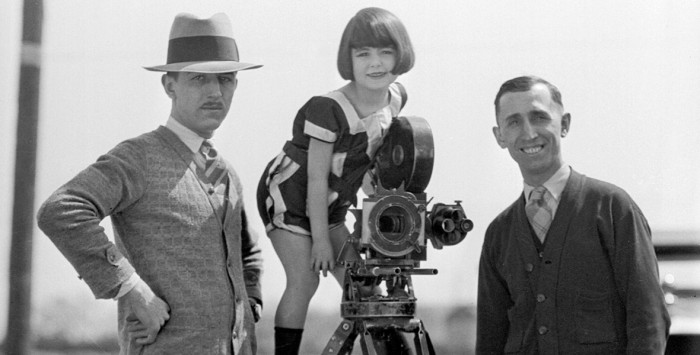
Lifelong best friends, partners, and brothers Walt and Roy Disney pose with child actress Margie Gay for a publicity shot in 1925; a mere 2 years after founding their company.

Walt Disney’s Final Dream: Living in Utopia (the EPCOT that never came to be Pt. 2)

Walt Disney’s Final Dream: Living in Utopia (the EPCOT that never came to be Pt. 2)

A Tribute to 95 Years of the Walt Disney Company

(Note: this is part 2 of a 3-part post. You can find Part 1 HERE, and Part 3 HERE)

Screenshot (61)

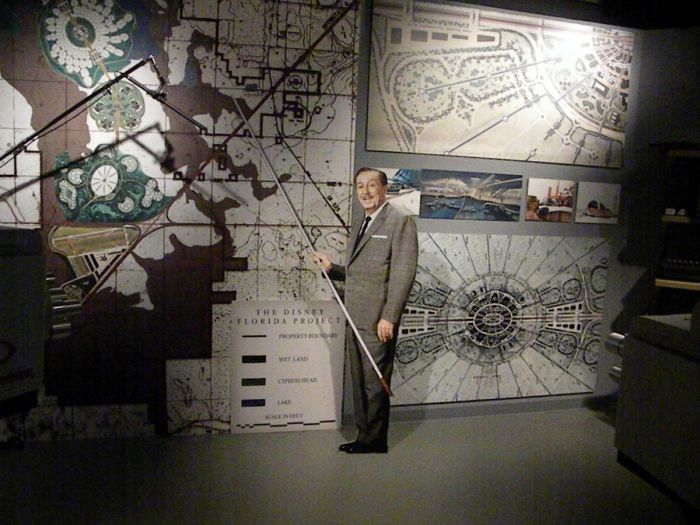
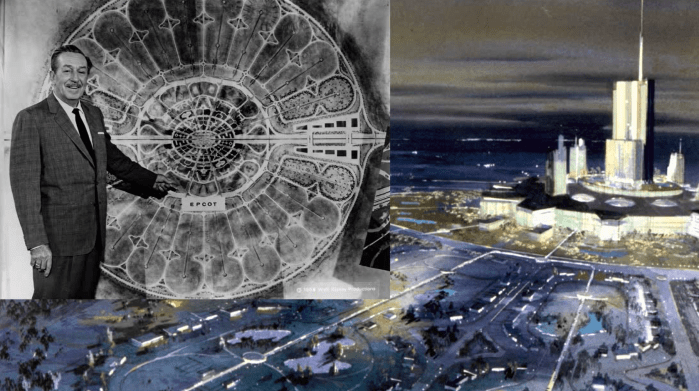
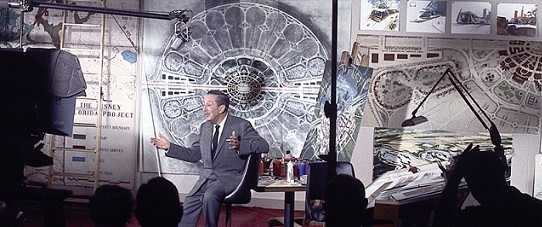
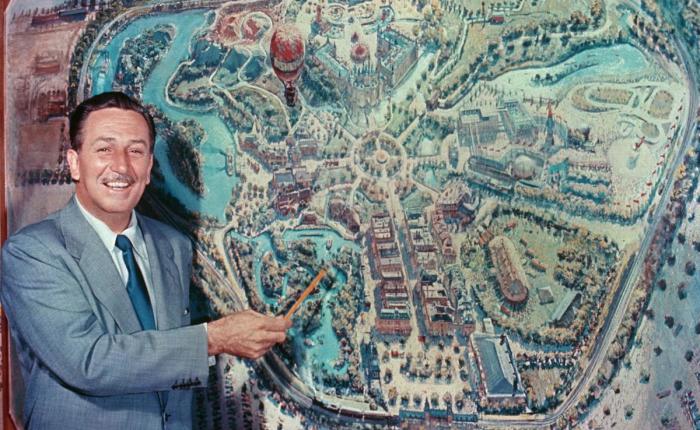
The one and only Walt Disney stands in front of a giant map covered in a circular design, a broad smile forms on his face as he gushes with excitement over his newest and greatest dream. Once more, he addresses the audience as if they were an old friend.

“EPCOT will take its cues from the new ideas and new technologies that are now emerging from the creative centers of American industry. It will be a community of tomorrow that will never be completed but will always be introducing, and testing, and demonstrating new materials and new systems. And EPCOT will always be a showcase to the world for the ingenuity of American free enterprise.”

epcot 45


He wanders back to the chair that has been prepared for him by his staff. In hindsight, one might realize that Walt’s health had already been waning as he grasps for the chair and sits down heavily; but at that time, very few people knew how sick he really was. Regardless of how sick Mr. Disney was, he always had time to share his dreams with the world, and that fact never changed. He continued;

“I don’t believe there’s a challenge anywhere in the world that’s more important to people everywhere than finding solutions to the problems of our cities. But where do we begin? How do we start answering this great challenge? Well, we’re convinced that we must start with the public need. And the need is not just procuring the old ills of old cities. We think the need is for starting from scratch on virgin land and building a special kind of new community.”

Screenshot (68)

You can see it in his eyes, the joy and the eagerness to make EPCOT become a reality, and although Walt passed away before it could be realized, the plans still exist. We can still see what he had planned for the culture of his final dream.


2: Inspiring Day-to-Day Life

epcot 29

Every resident of EPCOT would be required to work on Disney property, at either the theme park, or somewhere in the city itself.  There would be absolutely no difference between the living conditions of apartments and homes, save for the fact that the homes would be reserved for workers with families. Both would have access to the same amenities, and they would both have the same high-quality city transportation.

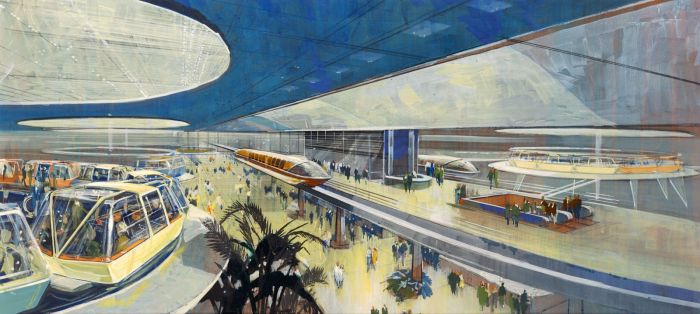
Speaking of transportation, EPCOT would have had the most innovative transportation system in the western hemisphere. Everything would be connected by the highly efficient, quiet, and clean Monorail system. The line would start at the Transportation Hub located right outside the city airport, travel through all of the outlying areas of EPCOT, through the city center, all away around the surrounding land, and then circle back to the Transportation Hub. All areas of EPCOT would be easily accessible and connected by Monorail. But it doesn’t even stop there!

epcot 9

Residents wouldn’t even have to walk to the monorail if they didn’t want to. Each house would be located only a few yards from the unobtrusive PeopleMover line, a system of continuous carriages chained together and looping on a track without stopping. It was specifically designed by Imagineers to eliminate noise and traffic. It’s a similar concept to the conveyor belt walkways you find at the airport that never step moving, allowing passengers to simply step on at their leisure. Both the Monorail and the PeopleMover would be utilized at a much smaller scale in the Walt Disney World that exists today.

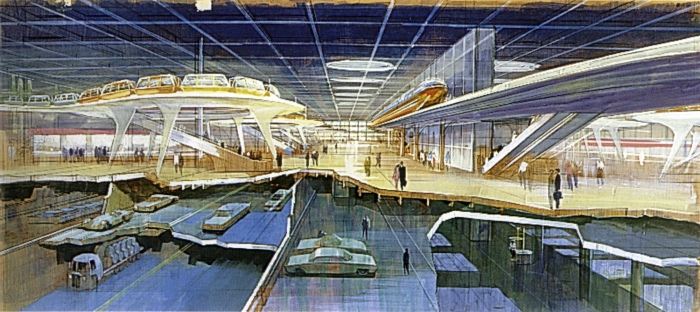
The transportation system was supposed to be so comprehensive as to eliminate the need for automobiles entirely! In fact, you would never see one in EPCOT; as the cars of tourists, and even the trucks used for transporting goods into EPCOT would only be utilized underground! That’s right, EPCOT was supposed to be built on the second level of the city! To keep pedestrians safe, and to keep “backstage” out of guest’s view, all outside transportation would take place under the very streets of EPCOT’s homes!

epcot 6


As Walt Disney stated in that fateful EPCOT film, his city was meant to be at the cutting edge of technology; testing new ideas in a safe and friendly environment. To this end, Walt intended to partner with the world’s leading industries to constantly update the homes and apartments of EPCOT’s residents. They would always have first access to the latest home appliances and amenities, for no additional charge! It was quite possible for a resident to come home from work to find a brand-new stove installed in their house.

EPCOT would be a symbiotic relationship between the Disney Company, other American corporations, and the residents that lived there. In return for helping fund the building of the city, leaders of industry would receive Disney’s financial help and a free platform to test their newest products on the open market; all for a reduced manufacturing cost. The new products would then be tested by the very people who helped make them, EPCOT’s own residents; allowing the first users of a new product to be the ones that were most deserving of it. All these elements would work together to form a sort of BETA testing ground to find out what would or would not work for the rest of the world.

epcot 17


Everything would be connected, not being able to survive apart, but functioning strongly as a unit. Everyone in EPCOT would belong there. It may not have been a perfect utopia, but at least it would be relatively comfortable and efficient for everyone! No one would be in EPCOT unless they were needed.

So, it’s sad to see that none of this came to be after Walt’s untimely passing. It would have been amazing to see whether EPCOT could be accomplished the way it was intended. For now, the original EPCOT is a simply a dream that we can be inspired by. If anybody could have done it, it would have been Walt Disney!

epcot 3


But as most people know, a good idea never dies at Disney; it waits for an opportunity to be revisited and reimagined in new ways. So, what happened to the ideas of EPCOT? Next week we tackle what became of this idea and how elements from Walt’s City of Tomorrow can be glimpsed, even if just for a moment, in what became known as Walt Disney World! (NEXT PAGE>>) (<<PREVIOUS PAGE)

epcot 46

Walt Disney’s Final Dream: Utopia Lost (the EPCOT that never came to be)

Walt Disney’s Final Dream: Utopia Lost (the EPCOT that never came to be)

A tribute to 95 years of the Walt Disney Company

(Note: This is Part 1 of a 3-Part Post. You can find Part 2 HERE, and Part 3 HERE)

Screenshot (61)

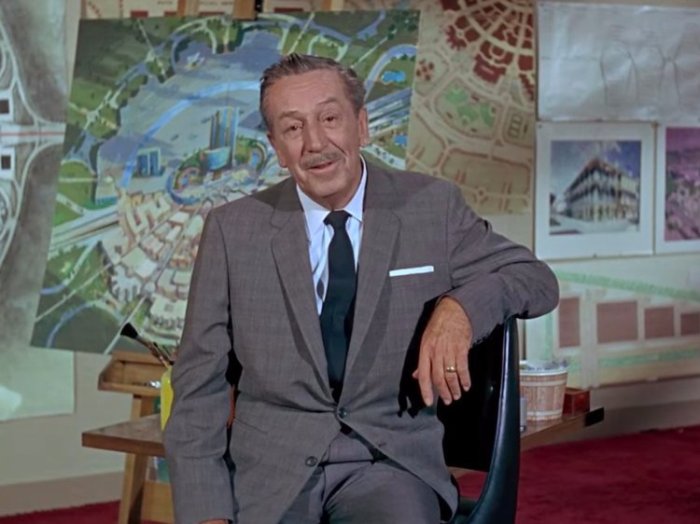
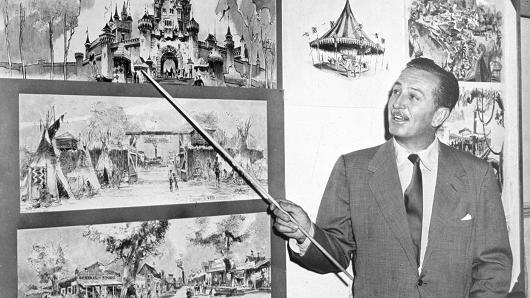
“And now, here is Walt Disney.” The narrator says as the camera focuses on an older gentleman sitting on a desk amidst concepts and artwork.

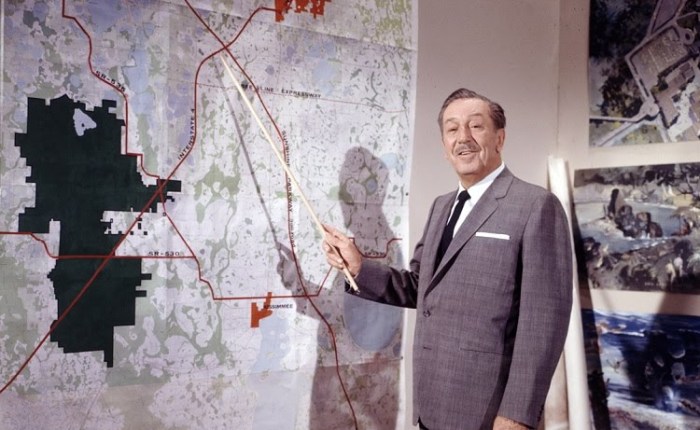
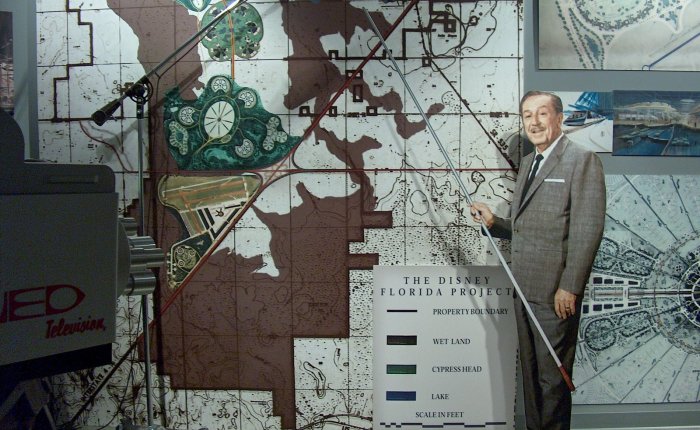
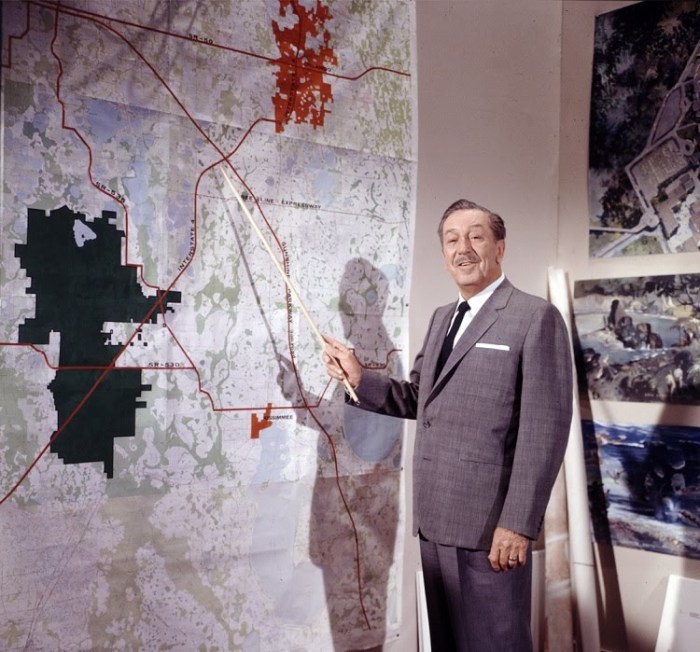
Walt Disney, the famous dreamer and architect of fantasy, warmly welcomes everyone during a special television program on October 27th, 1966; proceeding to explain what he’s been planning next. His eyes sparkle and a childish smile sneaks onto his lips. He’s filming this program to tell the world about his newest and greatest vision; the Florida Project, also known as Walt Disney World. With enthusiasm that is infectious, Mr. Disney points to a large map of Disney World and addresses the audience.
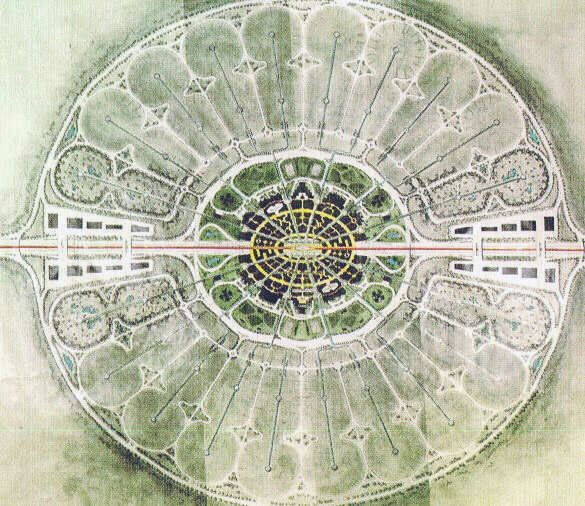
epcot 37

“But the most exciting, and by far the most important part of our Florida Project, in fact the heart of everything we’ll be doing in Disney World, will be our Experimental Prototype City of Tomorrow. We call it EPCOT.”

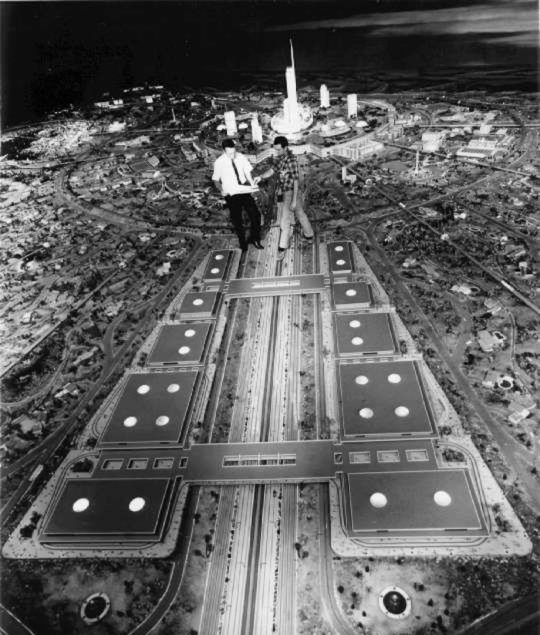
He points to the top of the map, to an area of land that makes Disneyland look like a small garden by comparison. It’s a massive area of land, miles across, and it so happens to be Walt Disney’s greatest dream; a utopia of innovation and inspiration. It’s a new project dedicated to making the world a better place, something that Mr. Disney always wanted to do. You can also tell by the look of pure joy on his face that it is something which he cannot wait to accomplish…

epcot 31

But sadly, he never had the chance.

Walt Disney passed away a month and a half later.

On December 15th, 1966, the world was shocked by the loss of one of America’s most beloved icons, a mere ten days after his 65th birthday. It was sudden and unexpected, and the world was not ready for such a loss. The people grieved, and the dream of EPCOT never came to be…at least, not how it was originally intended.

d7
newspaper depicting the mourning of Walt

But what was the original intention for this ‘City of Tomorrow’? Why did it never come to be?

To celebrate 95 years of the Walt Disney Company, we will be uncovering the mysteries of this final Disney dream!

1: The Revolutionary Design:

In the 1960’s, after the enormous success of Disneyland, Walt wanted to take his ‘Imagineering’ to the next level. After seeing the sleazy motels, businesses, and tourism that popped up around Disneyland because of its popularity, Walt became dissatisfied with the chaos of the city. He desired a place where living and working were safe, comfortable, and beneficial to all. Thus, the idea for Disney World was born; a place for people to live and work that would have enough space for Walt to dream up anything that he could possibly imagine…and keep the chaos of the outside world from encroaching on it. It would be his own little world for people to work, live, and play. There would be a real Disney city in Disney World, not just a new theme park!

epcot 32

Walt’s city would be a futuristic, carefully planned, well-organized, and beautiful near-utopia…at least, as close to utopia as imperfect humans could get; even Walt knew that they would make plenty of mistakes and that his city would be far from perfect, but that didn’t stop him from trying. He was determined to at least make it cleaner and more organized than similar American cities at the time; meticulously designed to provide ease-of-access to its citizens. This City of the future soon became known as EPCOT, The Experimental Prototype Community of Tomorrow.

Inspired by revolutionary designs in city planning, specifically the garden city movement started by Ebenezer Howard in his book ‘Garden Cities of To-morrow’, Walt tasked his Imagineers with the careful and meticulous planning that EPCOT would require. The city design may have seemed simple at first glance, but each facet of the project had a million details that needed to be attended to.


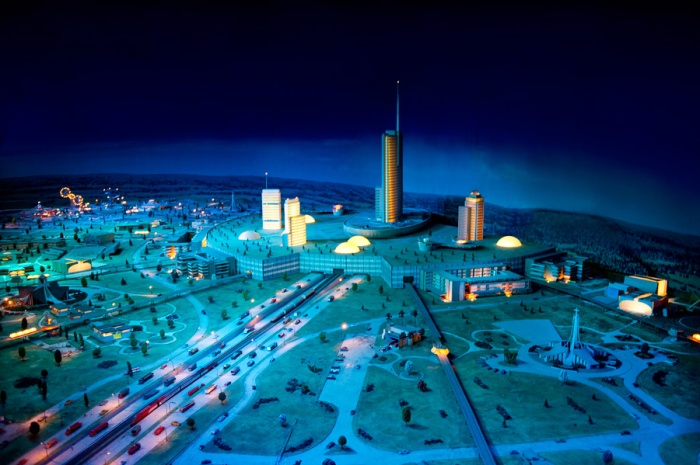
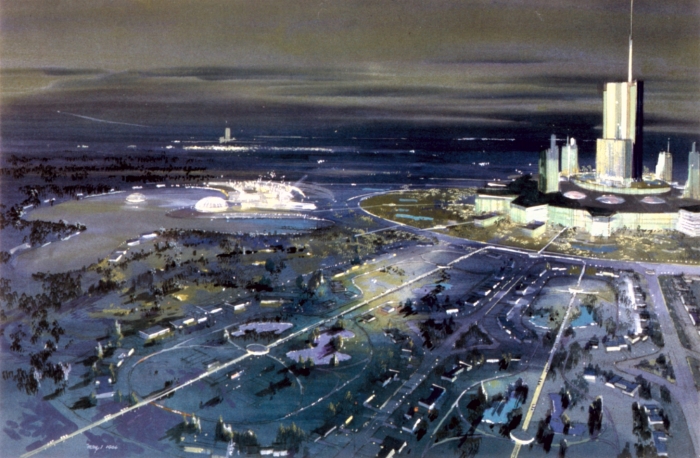
The concept of EPCOT was for a radial city; a series of interconnected rings that could be built outward from the circular city center. This would theoretically keep the city connected and organized, preventing overcrowding and minimizing frustration with transportation and living conditions.

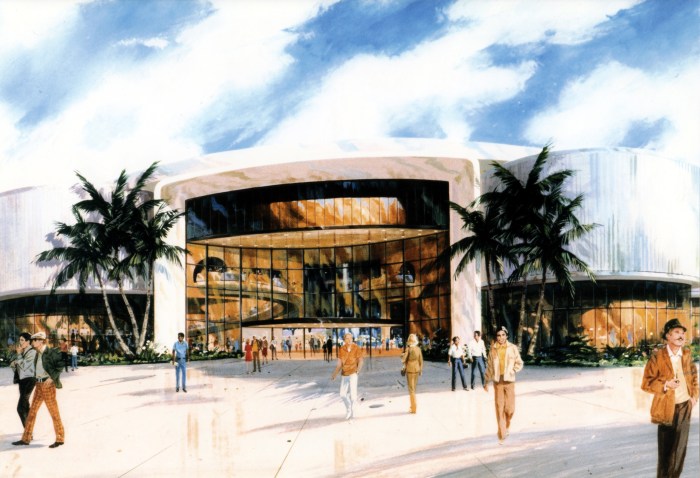
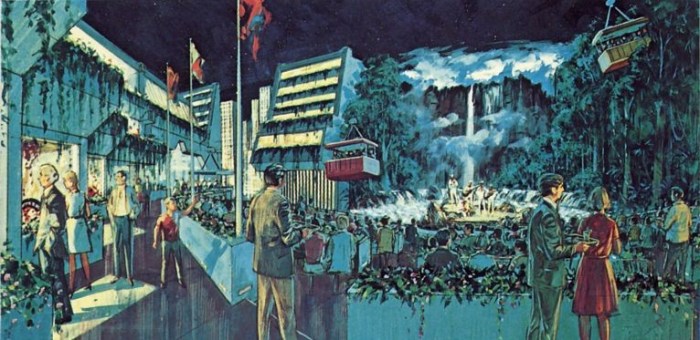
The City Center would contain the downtown and commercial areas of EPCOT. It would be here that the Cosmopolitan Hotel/Convention Center would be built; grounding EPCOT at the geographical center of the city as the tallest structure for miles around. This area would be surrounded by shops and restaurants themed to different nations and countries from around the world; catering to foreign residents and the multi-cultural audiences that wished to experience EPCOT; a concept that would eventually inspire the World Showcase section of the current EPCOT theme park. In addition, the city center was to be completely enclosed by a transparent dome to protect it from outside weather conditions and pollution.

epcot 22

The second ring, referred to as the Green Belt, would contain the city’s public services, such as pools, libraries, parks, post offices, stadiums, and schools. The Green Belt would then connect to the third ring, which would contain the low-residential areas. This suburb-style area would be divided into petal shaped loops. In a green area in the center of the petals, there would be recreational spaces for the residents, with the houses and amenities circling them.

The final ring of the city, the rim of EPCOT, was to hold the high-density apartment housing and would also be EPCOT’s tourist hub; all incoming visitors would arrive at EPCOT’s airport located near this area. Walt didn’t just want EPCOT to be an isolated city, but rather an example to the rest of the world of how cities could be in the future. He wanted it to inspire visitors from around the globe to return home and make their own cities better.

epcot 42

And indeed, the planned culture and lifestyle of EPCOT was very inspiring! You can read how in Part 2 HERE! Or, if you want to learn what eventually happened to the EPCOT concept, you can just move on to Part 3 HERE!

We’re sorry that we must divide this up into multiple parts! We promise that we’d be putting them all in one if there wasn’t so much to talk about! There’s FAR too much information to properly cover in a single post and we didn’t want to try and cram it in all at once. Thank you for your patience!

epcot 34

5 Obscure Disney Park Characters that Fans Can’t Get Enough Of

5 Obscure Disney Park Characters that Fans Can’t Get Enough Of

We all love Disney characters, but did you know that there are some obscure ones that Disney Park fans go particularly crazy for? Ever wondered who that Michael Jackson character is? Or that man with the purple suit at EPCOT? This is the place to be!

If you’re interested in more details about these characters’ history, beyond why they’re so popular among fans of the parks, we will be making separate posts for them in the future! However, today we are simply giving a quick background for each so that you get a basis of why fans love them!

So, without further ado…

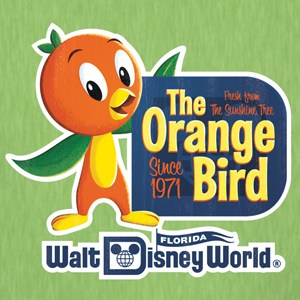
Orange Bird:

orange bird 2

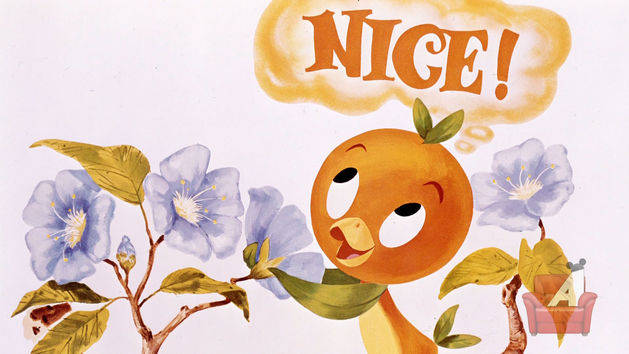
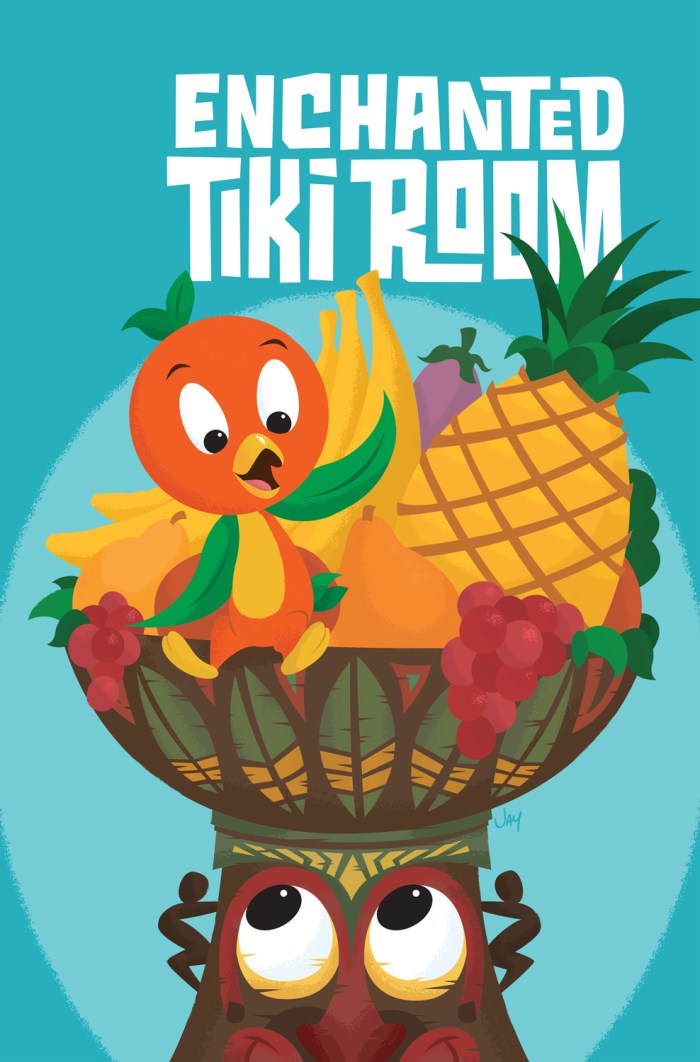
This cute little guy was created in a sponsorship deal with the Florida Citrus Commission (FCC). The FCC required that Disney, a company known for its recognizable cartoon characters, would create a mascot to use in the marketing of Florida’s citrus products in return for funding WDW’s version of the Tiki Room (Tropical Serenade). Not wanting to lose a sponsorship from a large and wealthy coalition of Florida citrus growers, Disney jumped on the task. Thus, the Orange Bird was born.

orange bird 7

The character was featured heavily in not only the marketing for the 1971 attraction, but also in several ad campaigns for the FCC up until the late 70’s. The Orange Bird continued to be featured in educational films made for the FCC and in the parks until 1987, when Disney finally stopped working with the FCC. As a result, the character virtually vanished from the parks. However, something about the character resonated in Japan when it showed up in Tokyo Disneyland. In fact, the Japanese were absolutely obsessed with the Orange Bird aesthetic and he experienced a bit of a revival in popularity as a result, which quickly spread to the United States. In 2012, the Orange Bird finally returned to the Magic Kingdom with force and the character became an icon for ‘in-the-know’ nostalgia fans.

orange bird

Captain EO:

eo

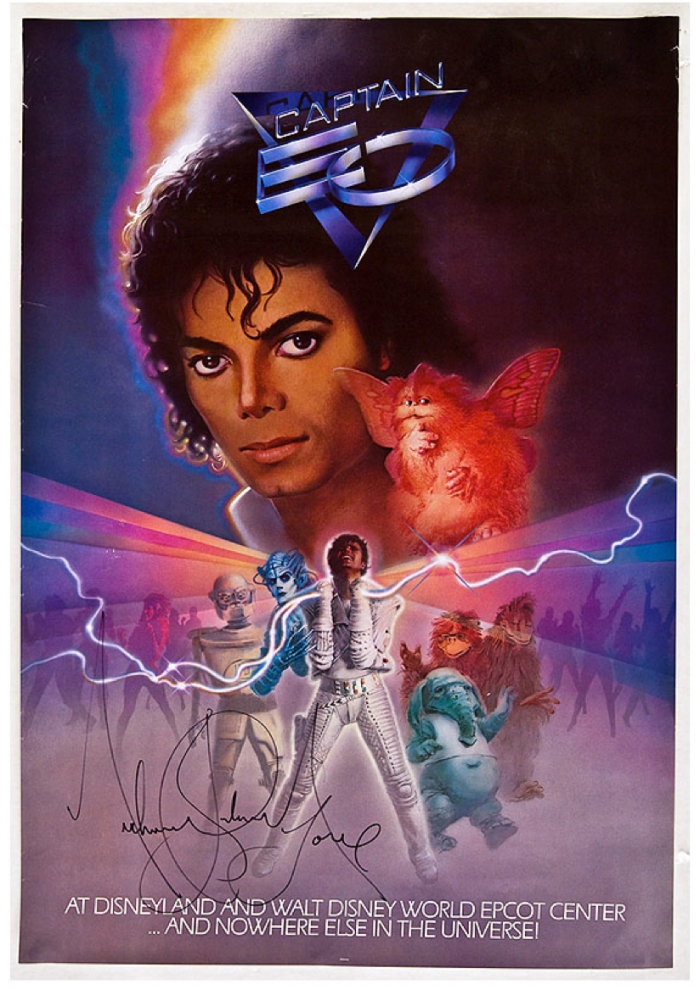
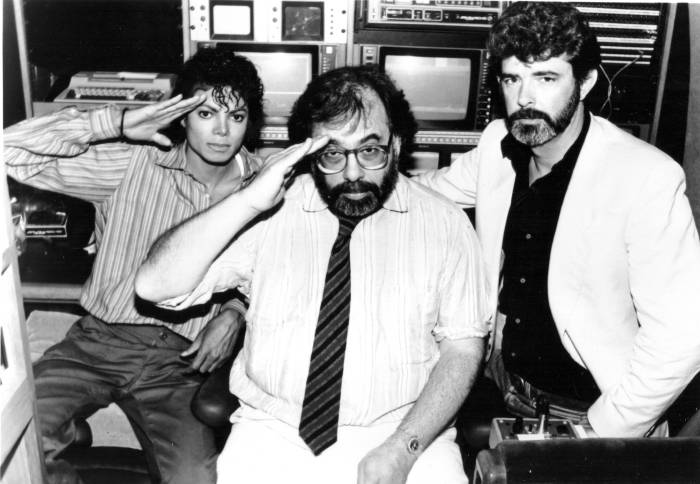
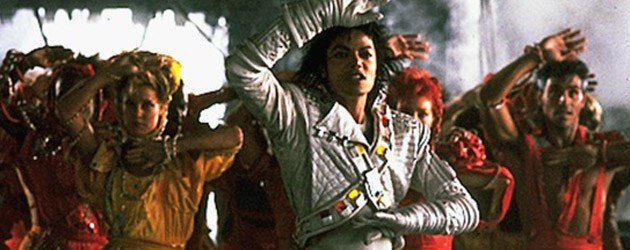
In the 80’s Disney commissioned some of Hollywood’s biggest names to make attractions; in hopes of widening Disney’s audience. To this end, they commissioned George Lucas, at the height of his popularity after Star Wars, to make several attractions for Disney. One of these attractions, and the most expensive film ever produced at the time would be directed by the legendary Francis Ford Coppola (The Godfather) and star the one and only Michael Jackson in the title role! This ‘masterpiece’ became the wild musical space-opera known as Captain EO.

eo 6

Sadly, reviews for the show were mixed, and the attraction was eventually removed after ten years due to the dwindling crowds. However, 80’s kids never forgot the wild musical space opera that was Captain EO, and when the King of Pop passed away in 2009, the film saw a massive resurgence in popularity; causing Disney to revisit the film as a tribute to Michael. Ever since then, Captain EO has become a Michael Jackson icon…even outside the parks!

eo 4

Hatbox Ghost:

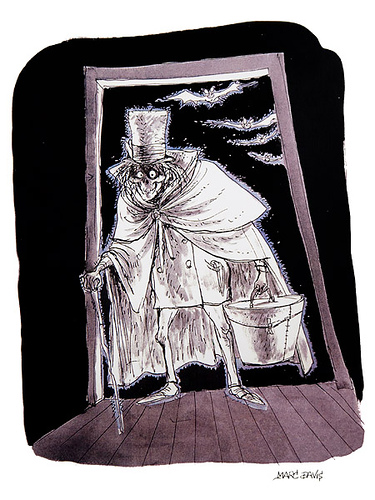
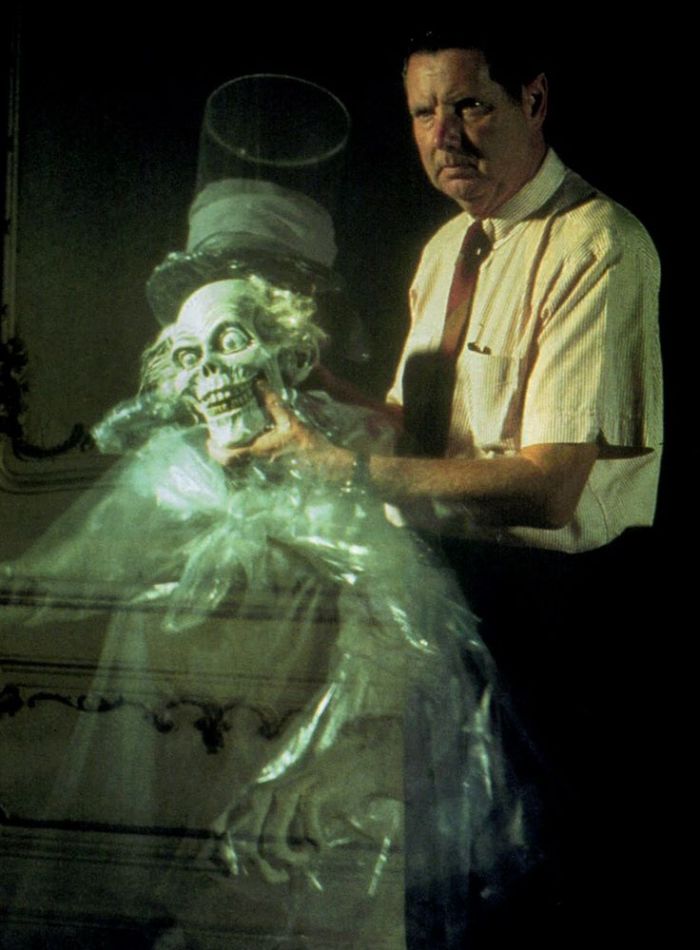
The Hatbox Ghost was another resident created for the Haunted Mansion in 1969, but unlike other tenants of the mansion, the Hatbox Ghost had a gimmick that made him special; his ghostly head disappeared from his shoulders and reappeared in the Hatbox that he was holding! The gimmick was a big deal at the time, and so the Hatbox Ghost was featured prominently all over promotional materials for the ride. When the ride opened, fans clambered to see the Hatbox Ghost and others like him. But after just a few short weeks, the Hatbox Ghost mysteriously disappeared! Rumors spread like wildfire about why it was removed, with some people even reporting that he had never been there in the first place!

hatbox 2

But, the character (who really was there for a few weeks, despite what some would say) was simply removed early on because his gimmick did not work as intended. However, the myths and speculation about ‘Hatty’ became so popular and outrageous, that Disney could not pass up such a good PR opportunity. With much fanfare, the Hatbox Ghost was updated with new technology and inserted back into the Disneyland mansion, where he has been resting to this day.

hatbox 5

Oswald:

oswald

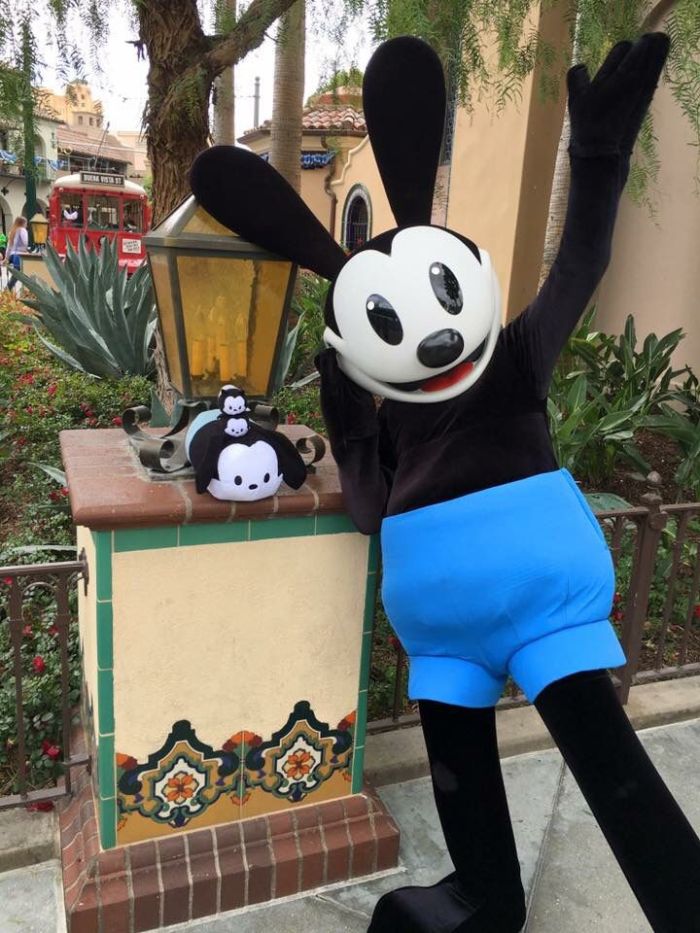
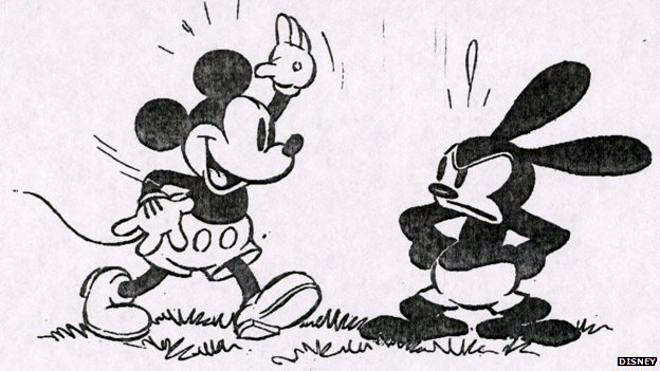
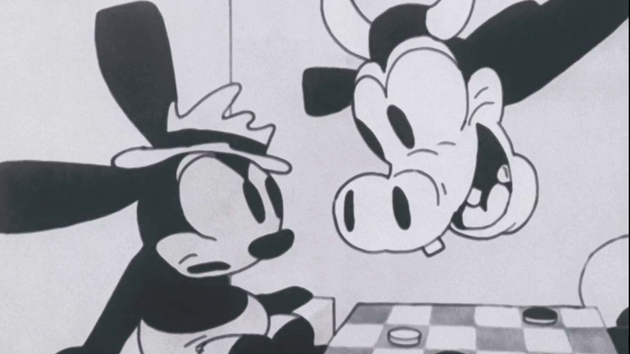
Oswald the Lucky Rabbit is a very special character to Disney fans. In fact, his importance in Disney is unparalleled by any other Disney character besides Mickey Mouse himself…and most people don’t even know it!

Believe it or not, Oswald predates Mickey Mouse as Walt Disney’s first fully-fleshed cartoon character! So why haven’t more people heard of him? Well, unfortunately, Walt Disney was swindled out of the rights to the character by his distributor in 1928; along with almost all his staff! Broke, and with no character to his name, Walt desperately searched for a new character that would save him; the result of this despair-ridden brainstorming was none other than Mickey Mouse himself! So, you could say that Oswald was directly responsible for the creation of Mickey Mouse. The lessons Walt learned from that betrayal helped shape the entire company from that day forward.

oswald 3

In 2006, nearly 80 years later, the rights to Oswald were finally bought back by Disney; proudly placing ‘Mickey’s Older Brother’ back in the family where he belonged, much to the joy of longtime Disney fans everywhere!

oswald 5

Figment And Dreamfinder:

figment 3

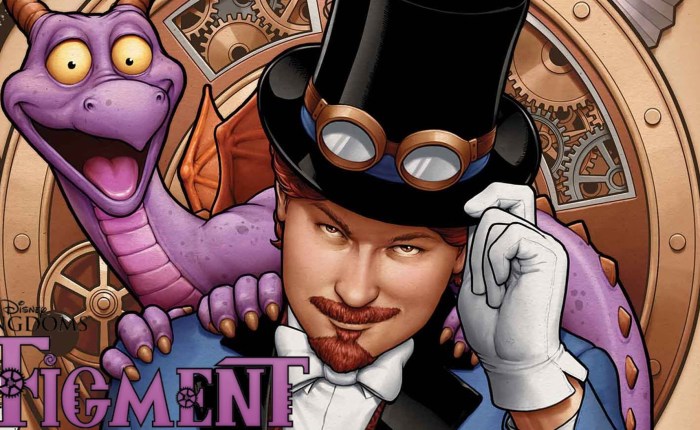
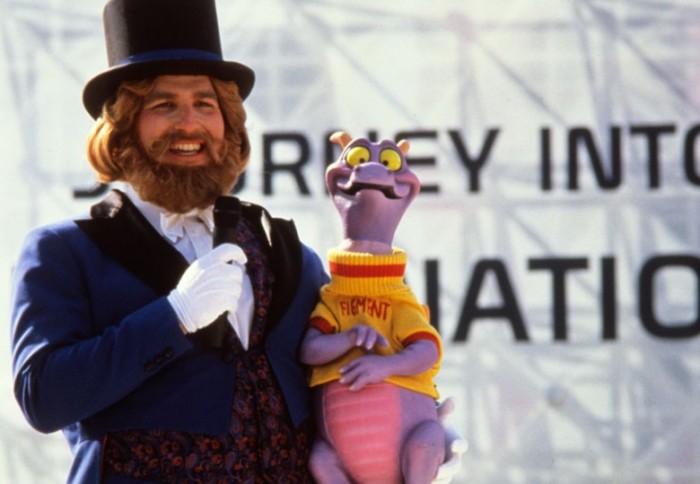
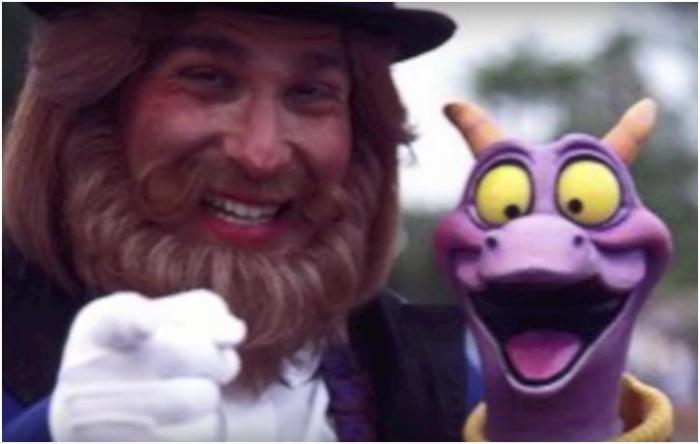
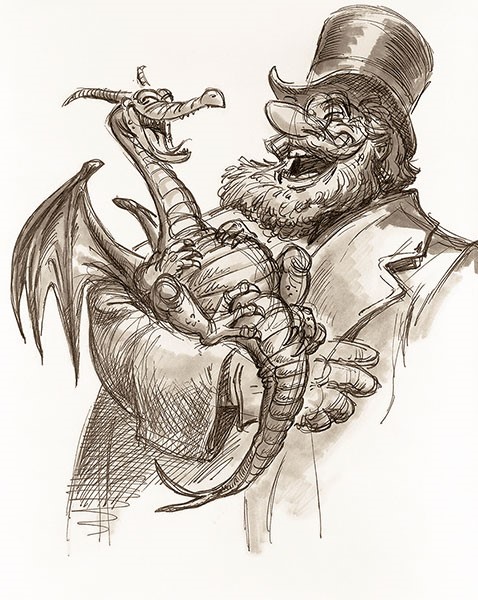
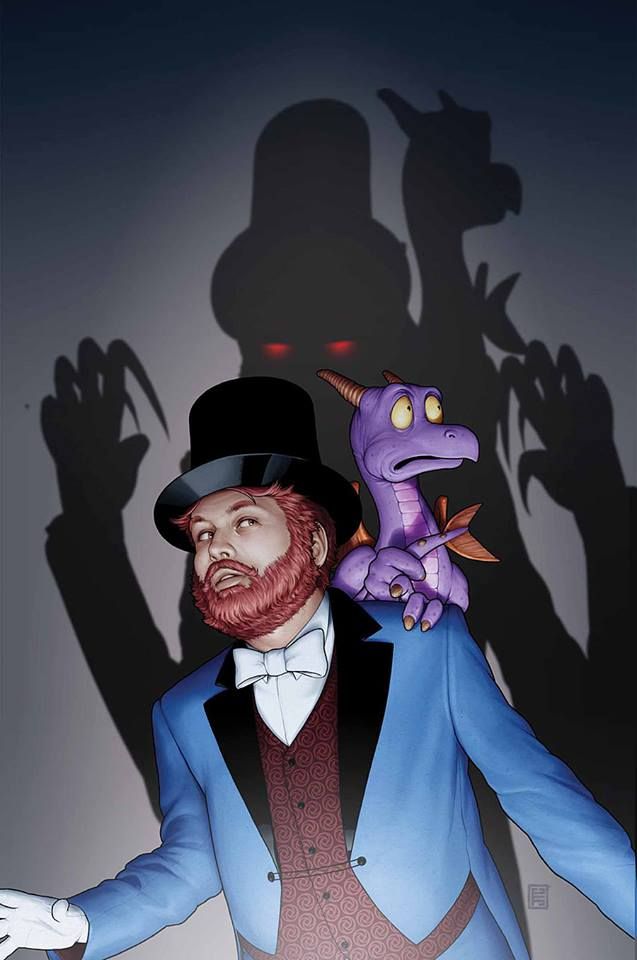
Arguably the most popular characters on this list, Dreamfinder and Figment may be two separate characters, but true fans know that you cannot really have one without the other! As evidenced by the lackluster response to Figment’s recent solo career, the lovable dragon from our imaginations just isn’t the same without his red-bearded best friend. These guys are the unofficial mascots of EPCOT and are beloved by fans worldwide.

figment 10

They were originally introduced as EPCOT’s first walkaround characters, appearing to promote their upcoming ride; Journey into Imagination. When the ride opened in 1983, it was a massive hit, and the imaginative duo became the most popular feature at EPCOT. However, in 1999, Disney made what some fans consider to be the company’s biggest mistake ever. Announcing that Journey into Imagination would close for a simple refurbishment, fans were shocked and appalled to find that Disney would reopen the ride as the completely different, vastly inferior, Journey into Your Imagination instead! They even removed the iconic Dreamfinder and figment from the entire attraction!

figment 6

Due to the huge outcry from fans, Disney soon closed the attraction and once again changed it to the now current Journey Into Imagination with Figment; bringing back Figment, but not Dreamfinder. It lessened the outcry a bit, but diehard fans still yearn for the original attraction to return!

figment 5

What’s Your Favorite Obscure Character at the Parks?


5 Things You Didn’t Know About Disney’s Alice in Wonderland

5 Things You Didn’t Know About Disney’s Alice in Wonderland

5 Things You Didn’t Know About Alice in Wonderland (1951)

alice 30

#1: It Was the Origins of the Disney Studio

alice 56

Walt Disney started his career in animation at a rather young age by working at the Laugh-O-Grams Studio in 1921.  But that job was doomed to fail, because the Kansas City based studio went bankrupt in 1923, leaving Walt Disney without a job. The last film he made for that company, Alice’s Wonderland, never saw a release. The film, loosely based on Lewis Carroll’s Alice books, followed a live-action girl that ventured into a cartoon world. Walt was very fond of his film, as he had always dreamed of making a full-length film based on Alice and he believed this short to be the first step towards that goal. He used it as a pilot to engage potential distributors into signing him on for a contract and a steady job. Eventually one did; Margaret J. Winkler (distributor of Felix the Cat), contracted Walt for an entire series based on the film. Through this deal, Walt founded his own studio in late 1923 titled Disney Bros. Studios (the ‘Bros.’ part referring to Walt’s lifelong partner and brother, Roy Disney), and today we know this company under its more familiar title…Walt Disney Productions! The studio was literally founded on Alice! And it would have been the subject of Disney’s first Feature-length film, if it hadn’t run into a bit of a problem!
alice 14

#2: One of the Longest Projects in Disney Animation

alice 49

As we mentioned above, Alice in Wonderland was considered as the primary candidate for Walt’s first feature-length film. In fact, Walt went so far as to purchase the rights to Sir John Tenniel’s iconic illustrations of Alice. However, the concept was dropped in favor of Snow White for several reasons. The main reason was Walt’s discouragement when Paramount Pictures beat him to the punch in 1933 with their live-action version of Alice. However, Walt never forgot his dream of making his own version of Alice. He revisited the idea in 1938 after Snow White proved to be an enormous success. He even registered the title with the Motion Picture Association of America. But due to creative issues and story problems, especially with adapting the unorthodox ‘nonsense’ of the books into a script, the project slowed down significantly. Then the devastation of WW2 hit, putting both of Disney’s biggest projects at the time (Alice in Wonderland and Peter Pan) on hold. Even after the war, Disney had so much trouble adapting the books into a workable plot structure, that production became a virtual nightmare. This led the film to be delayed for another 6 years, until it finally made its big screen debut in 1951.

alice 38

#3: It Went Through A Lot of Crazy Changes

alice 44
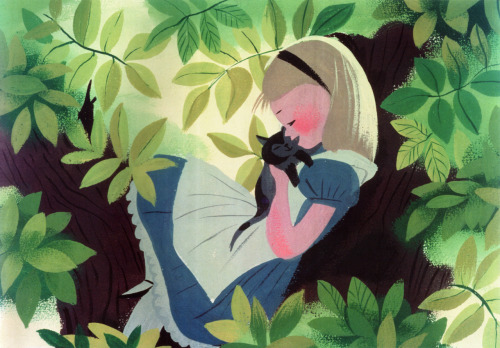
Mary Blair’s cute artwork

As you can imagine, 15 years in production caused a lot of changes to the Alice in Wonderland story. An early version, with concepts and story treatments by David Hall and Al Perkins respectively, explored a more surreal approach. However, Walt, despite praising Hall’s brilliant artwork, deemed these concepts as too close to Tenniel’s drawings and called them ‘difficult to animate’. He also thought the tone of Perkins’ treatment was too ‘grotesque and dark’. The next iteration of the story, for which Disney hired the British writer Aldous Huxley, was also a bit off the mark. This version was reportedly very academic in its approach. Apparently, it was too academic, and risked alienating the children who watched. However, a background artist by the name of Mary Blair finally arrived at the tone and look that Walt was searching for; a world full of vibrant colors and unforgettable characters!

(Below are side-by-side comparisons of David Hall’s concepts and Tenniel’s original illustrations for the novels)

#4: The Characters were Just as Fascinating Behind the Scenes

alice 34

Speaking of characters, Alice has some of the most memorable characters in any Disney film. This was largely due to the voice talent, which was considered the first real all-star cast for a Disney film. In fact, it was the first ever Disney film to include the names of it’s actors as a major part of its marketing, something that wouldn’t happen again until The Jungle Book. The cast included huge stars like comedian Jerry Colonna as the March Hare, British actor Richard Haydn as the Caterpillar, radio veteran Sterling Holloway as the Cheshire Cat, and the famous vaudevillian actor Ed Wynn as the Mad Hatter.

alice 1
Jerry Colonna, Ed Wynn, and Kathryn Beaumont recording for  theMad Tea Party

Ed Wynn, a stage master, did most of his best work improvising during the live-action reference filming; so much so, that Walt decided to use the primitive audio of those shoots instead of his pre-recorded work. The result was a brilliant impromptu performance, but with slightly odd-sounding audio. You can even hear a sound technician’s voice during one scene at the 45:50 mark! These voice talents, coupled with genius and unorthodox animation by Disney’s legendary Nine Old Men (with Ward Kimball’s madcap animation being of note in the most famous scenes), created iconic versions of the characters that have become as famous, if not more so, than John Tenniel’s designs.

alice 3
Ed Wynn’s performance directly inspired the animation, as seen here with the spoon gag that appears in the finished film.

#5: Its Music Broke Records

alice 39

Last, but not least, was the fact that Alice in Wonderland still holds the record for the most songs in any Disney film EVER! Not only that, but the film’s memorable songs won the Academy Award for best original score. Due to Walt’s desire to including Carroll’s famous poems and rhymes in the film, without interrupting the story, he opted to turn most of them into songs. Originally, around 30 songs were created for the film, but due to run-time, it was cut to a total of 14 songs in the 75 minutes of the film; that means there was a song almost every 5 minutes!

alice 32

What’s your favorite Alice fact?

Disneyland Almost Failed!

Disneyland Almost Failed!

Disneyland Almost Failed!

disneyland


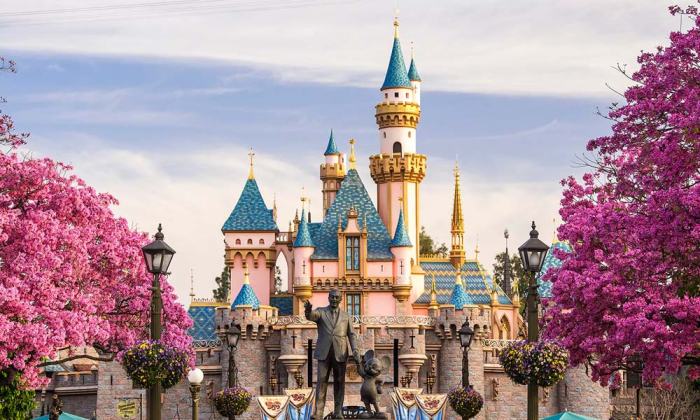
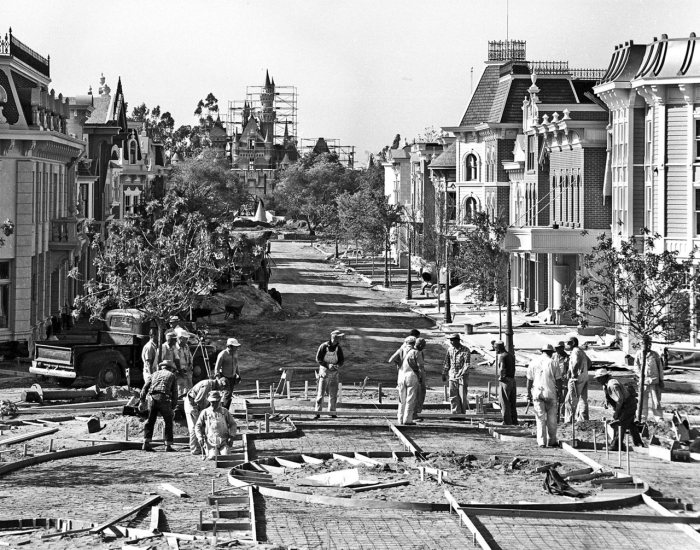
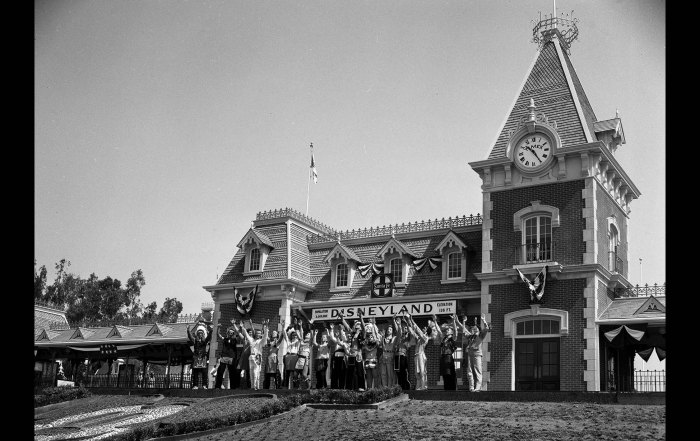
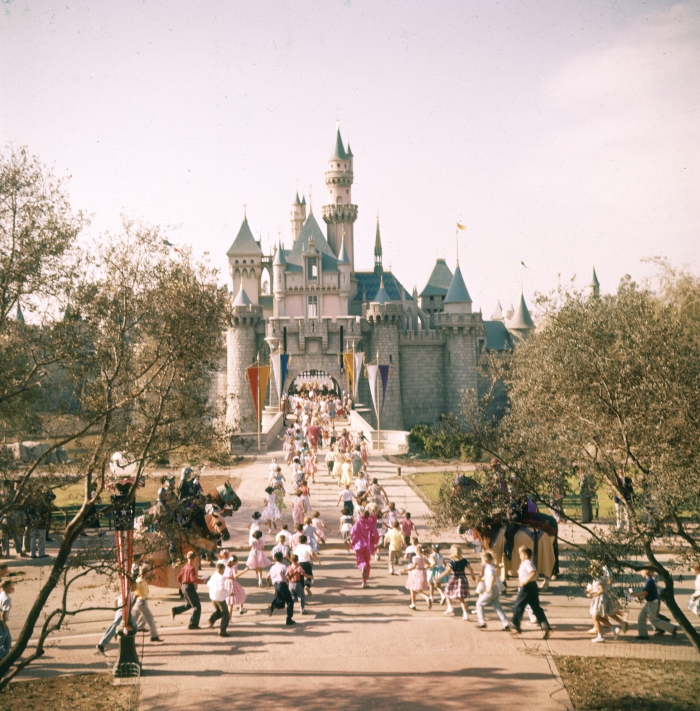
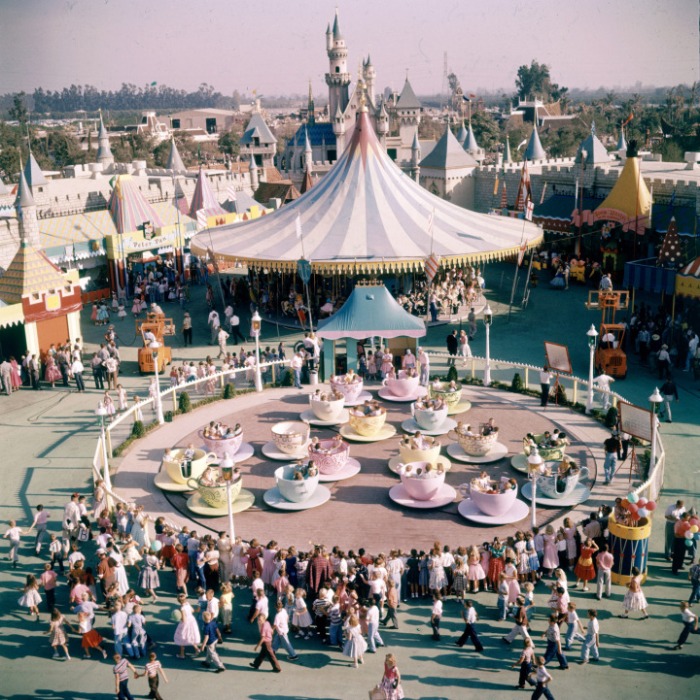
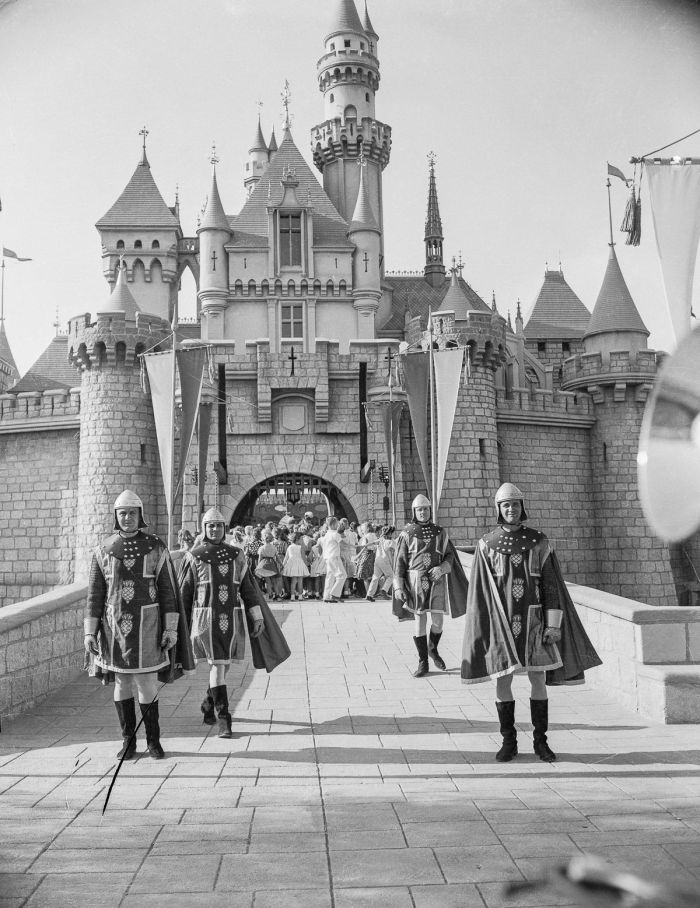
On July 17th, 1955, one of Walt Disney’s greatest dreams became a reality. Disneyland opened its gate for the first time, and the world would never be the same! But what if we told you that this dream was very close to dying before it even got off the ground? What if I told you that, without Walt Disney’s seemingly endless perseverance and dedication, Disneyland might have failed?

Some Disney fans are already aware of the fascinating and disastrous day that happened almost 65 years ago, but for those of you who aren’t familiar with the story, we hope that you leave today with greater appreciation for The Happiest Place on Earth and the extreme effort that it took to make it come to life!

disneyland 11


The story begins in the early days of the Disney Studios, when Walt was inspired by visits to amusement parks with his daughters in the 30’s and 40’s; reportedly, he came up with the concept while watching his daughters riding a carousel from a nearby bench. He was frustrated that there weren’t enough experiences at the park that he and his daughters could enjoy together and he made up his mind to one day build a park where kids and grown-ups could play together. Thus, Disneyland was born!

disneyland 9

The development for Disneyland was long and tedious, yet undeniably fascinating. We don’t have the time to cover all that history today; that’s a subject for another time. But the long and short of the ordeal was that Walt Disney’s plans continued to grow…and grow…and grow, until his ambitious dream began to worry the money-men. However, Walt was determined to see the culmination of his dream project no matter what happened. So, Walt continued to fund-raise, promote, invest his own money, and even borrow against his own life insurance to get the project up and running!

disneyland 6

Naysayers surrounded the project. The Disney Board argued that Amusement Parks weren’t their type of business, Roy Disney (Walt’s brother and business partner) warned Walt against the financial ruin it would cause if it failed, and even Amusement Park experts told him that nobody would be interested in a ‘family park’ that (at the time) wouldn’t sell alcohol! Most critics even went so far as to call Disneyland Walt’s worst decision ever, and a foolish idea that was doomed to fail. It seemed that most people thought that Disneyland would never work. In hindsight, we know this to be false, as Disneyland was not only a huge success, but it also reshaped the Theme Park Industry as we know it. However, during its construction it was a legitimate fear that Disneyland would not succeed. Many people were very worried.

Then came Black Sunday.

disneyland 5

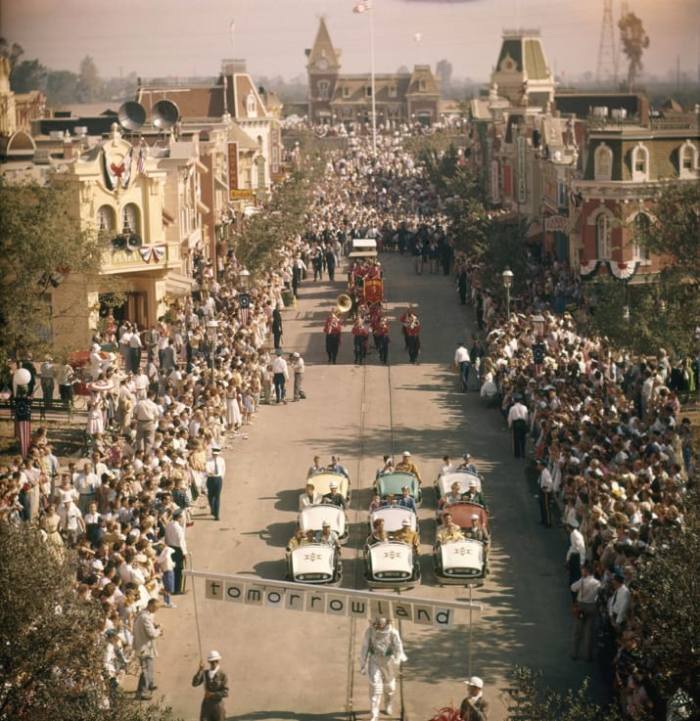
Black Sunday was the name that Disney Executives gave Disneyland’s opening day of July 17th, 1955 due to the perceived disaster of the theme park’s debut. The park opened to the public and press with what was, at the time, considered a disaster of epic proportions. First, the opening day was meant to only be open to the media and special invited guests; instead, twice as many people as expected showed up! This was due to a vast number of counterfeit tickets sold to the public, and even a few people climbing the fence and sneaking through gates. In fact, about half of the 28,000 people in attendance that day had entered Disneyland illegally.

disneyland 10

The opening day festivities were broadcast worldwide on ABC, hosted by Art Linkletter, Bob Cummings, and future President Ronald Reagan! although this seems like an amazing idea, unforeseen broadcasting problems quickly mounted with so many unexpected guests. People tripped over television cables left and right, problems sprang up around technical issues and mistakes, cues were missed, responsibilities were mismanaged, and there was even an improvised ‘skit’ involving Linkletter looking for his lost microphone (he really had misplaced it but tried to hide the fact by making the search an ‘impromptu adventure through Disneyland’).

disneyland 23

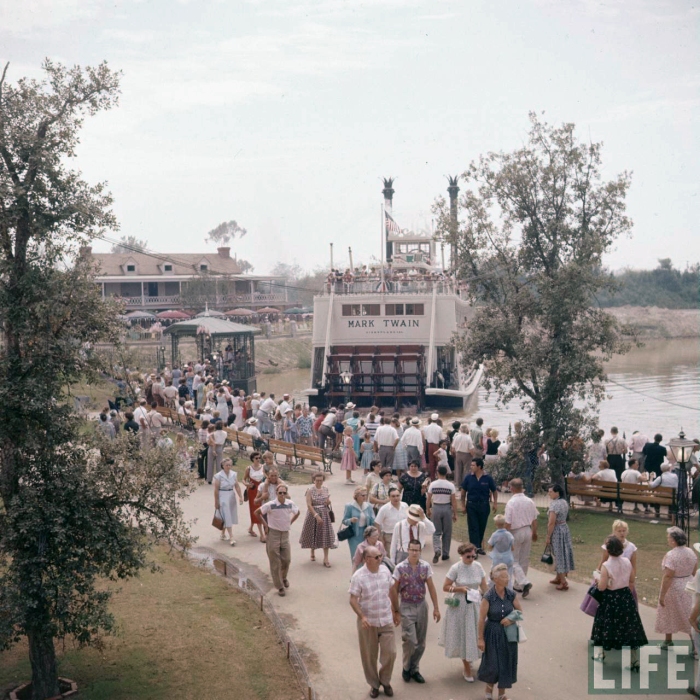
In addition, a regional Plumbing Strike forced Disney to chose between water fountains and toilets. Of course, Walt chose the latter for sanitary purposes. However, since Pepsi sponsored the park’s opening, guests mistook the lack of working water fountains as a greedy way to force them into buying soda! Soda and food ran out very quickly due to the demand of so many guests. Parents threw their kids over the shoulders of the crowds to get them on rides faster, and people cut in line (not that the last one has changed all that much). The Mark Twain Riverboat even began to sink when guests continued to force their way on, even after Cast Members told them that the boat had reached peak capacity! There were even the problems resulting from unexpected weather, as the unusually high temperature of 101° Fahrenheit caused the newly poured asphalt to become soft. This led to things like high heels sinking into the sticky substance.

1201480.jpg

By the time the park closed for the day, it seemed as if Disneyland had been the failure that everyone had been expecting it to be. If we were there on that day, without the benefit of hindsight, we would have probably said the same thing. To all who heard about it, the day seemed like a nightmarish disaster.

disneyland 22


Today, historians recognize that most of the perceived disaster was due to bad luck, and the park being unprepared for so many people. They now can objectively see that the park was a success with fans from its very first day, despite what it had looked like in the moment, and the second day attendance proved this. the park managed very well on its second try and the insanity of Black Sunday became a legendary false alarm as Disneyland quickly became one of the greatest tourist destinations in the world. Walt Disney’s vision finally became a reality, but not without a few scares along the way!
disneyland 3

If Walt hadn’t stuck with his dream and persevered against all odds, Disneyland might have never existed!

What do you think was the craziest thing to happen on Black Sunday?


5 Things You Didn’t Know About Disney’s Peter Pan

5 Things You Didn’t Know About Disney’s Peter Pan

5 Things You Didn’t Know About Disney’s Peter Pan (1953)

peter pan 18

Walt Disney (born 1901) predated the creation of Peter Pan’s play by 3 years. Therefore, he was the perfect age to grow up with the popular play. He was an even better age to be influenced by the subsequent novel which revived the popularity of the show in 1911; being among the thousands of young children who fell in love with story. After seeing it live, he could never forget it, and it even prompted him to play the title character in school.

So, to honor this classic’s 65th Anniversary, and Walt’s love of the story, here’s a list of 5 things you may not know about Peter Pan!

#1: It Was Almost Abandoned

peter pan 33
early concept

It was no surprise that Walt had always wanted to make a Peter Pan film. In fact, after making Snow White, Walt had originally intended for Peter Pan to be one of his earliest features. He procured the rights as soon as he could afford them and made plans to move into pre-production not long after Snow White and the Seven Dwarfs was first released.
But fate was not so kind. The rights of Peter Pan were very difficult to obtain because J.M. Barrie had donated them to The Great Ormond Street Hospital in Britain; an act of astounding charity that unknowingly made the rights difficult to license. Eventually, Walt did gain the rights, but it was too late. The U.S. had already been drawn into WW2. The U.S. Government took control of various studios, including Disney, to produce propaganda for the war effort. This brought Peter Pan to a screeching halt. In fact, the project seemed abandoned for good, until Walt managed to get the studio back on track after the war with Cinderella (1950). With the returns from Cinderella, Walt managed to fuel dream projects like Alice in Wonderland (1951) and Sleeping Beauty (1959), and Peter Pan finally made it to the screen after a hectic 15 years in production!
peter pan 32
Darling family concept

#2: Peter Pan Changed Everything

peter pan 67
Peter Pan RKO logo

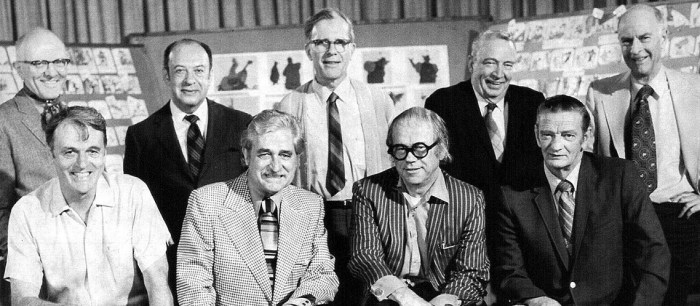
Peter Pan marked the end of two eras at the Disney Studio. The first was that Peter Pan was the last Disney film in which all of the ‘Nine Old Men’ worked together. The “Nine Old Men’ were the most influential, skilled, and loyal animators at the studio. All of the Nine stayed with the company after Peter Pan, but split up into different projects such as developing Disneyland, or working on live-action films. The second era that Peter Pan ended was that of the ‘third-party distributor’. Peter Pan was the last Disney film to be distributed by a third-party distribution company. In fact, Walt has been working most of his career to accomplish this. He was proud to unveil a brand-new company, Buena Vista Distribution, to the public later that same year! Now he would distribute his own films. This meant that he could finally have 100% control over his product from start to finish. In the past, companies like RKO Radio Productions (the distributor of Peter Pan) would control Disney’s product after it was finished. With Buena Vista, Disney finally had the ability to do what he wanted with his films whether he was finished with them or not.

nine 3
the nine!

#3: The Story Was Almost Completely Different

peter pan 45

Over the 15 years of its production, the story of the film changed drastically. In one early version of the film, Peter Pan thought that John was too grown-up for Neverland and abandoned him. This would have made one of the main characters of the original Peter Pan story nonexistent in early drafts! In addition to possibly dropping certain characters, there were also dramatic changes to the overall tone of the film. There was an especially dark and more serious version of the film that was storyboarded, targeted more towards teenagers, that Walt promptly shut down for being too scary. And in a final possibility, Nana, the nursemaid dog, was going to accompany the children to Neverland. In fact, the narrative of the story was going to be told from her point of view!

Of course, any one of these possibilities would have made the story completely different from the beloved tale we know! But it’s fascinating to see what direction the Disney artists went before they settled on the right course. It’s always interesting to see what could have been.

#4: A Popular Tinker Bell Rumor is Actually Wrong

peter pan 66

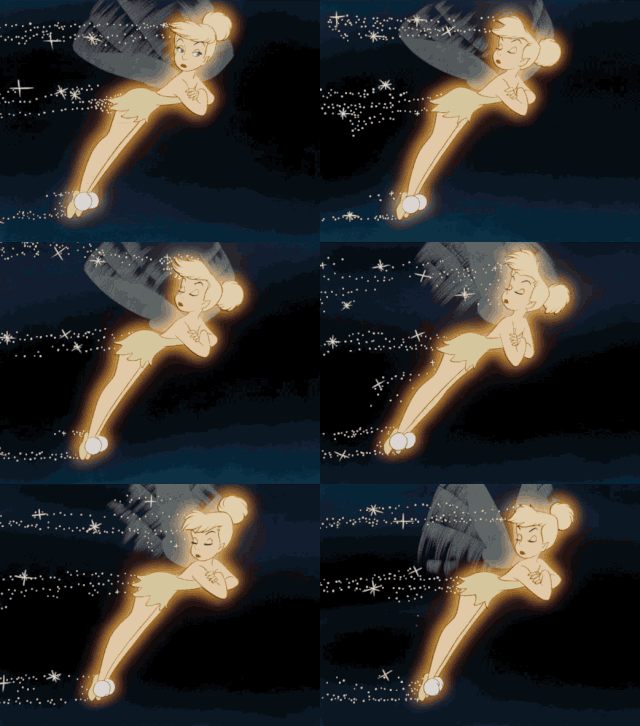
There is an popular rumor going about Tinker Bell which has gained quite a bit of notoriety. Legend has it that Tinker Bell was modeled after the famous film star Marilyn Monroe. While this is a very interesting, and naturally compelling theory, it is unfortunately NOT TRUE! The idea of Marilyn being popular enough to influence the design of a Disney character has become so popular that Marc Davis himself (Tinker Bell’s designer and animator) went on record to say that he actually directly based Tinker Bell’s design on model Margaret Kerry. Margaret provided live-action reference for the character and the influence of her distinctive features can be clearly seen in Tinker Bell. Tinker Bell may bear a passing resemblance to Marilyn, but it’s impossible for her to be based on the starlet, since Marilyn didn’t really become famous until AFTER Peter Pan!

#5: Extraordinary Casting

peter pan 54

Peter Pan has one of the most fascinating voice casts in all of Disney’s history. A star-studded cast, including a few familiar Disney veterans, filled out the ranks. The title role was filled by Bobby Driscoll, a veteran of five Disney films, and a popular teen heartthrob. Surprisingly, he was the first male to play Peter Pan on film ever! In addition to Driscoll, another Disney child star, Kathryn Beaumont, played Wendy Darling a mere two years after appearing as Alice in Disney’s Alice in Wonderland. Finally, to everyone’s excitement, long-time character actor Bill Thompson (White Rabbit, The Dodo, Scrooge McDuck, etc.) played the lovable Mr. Smee.

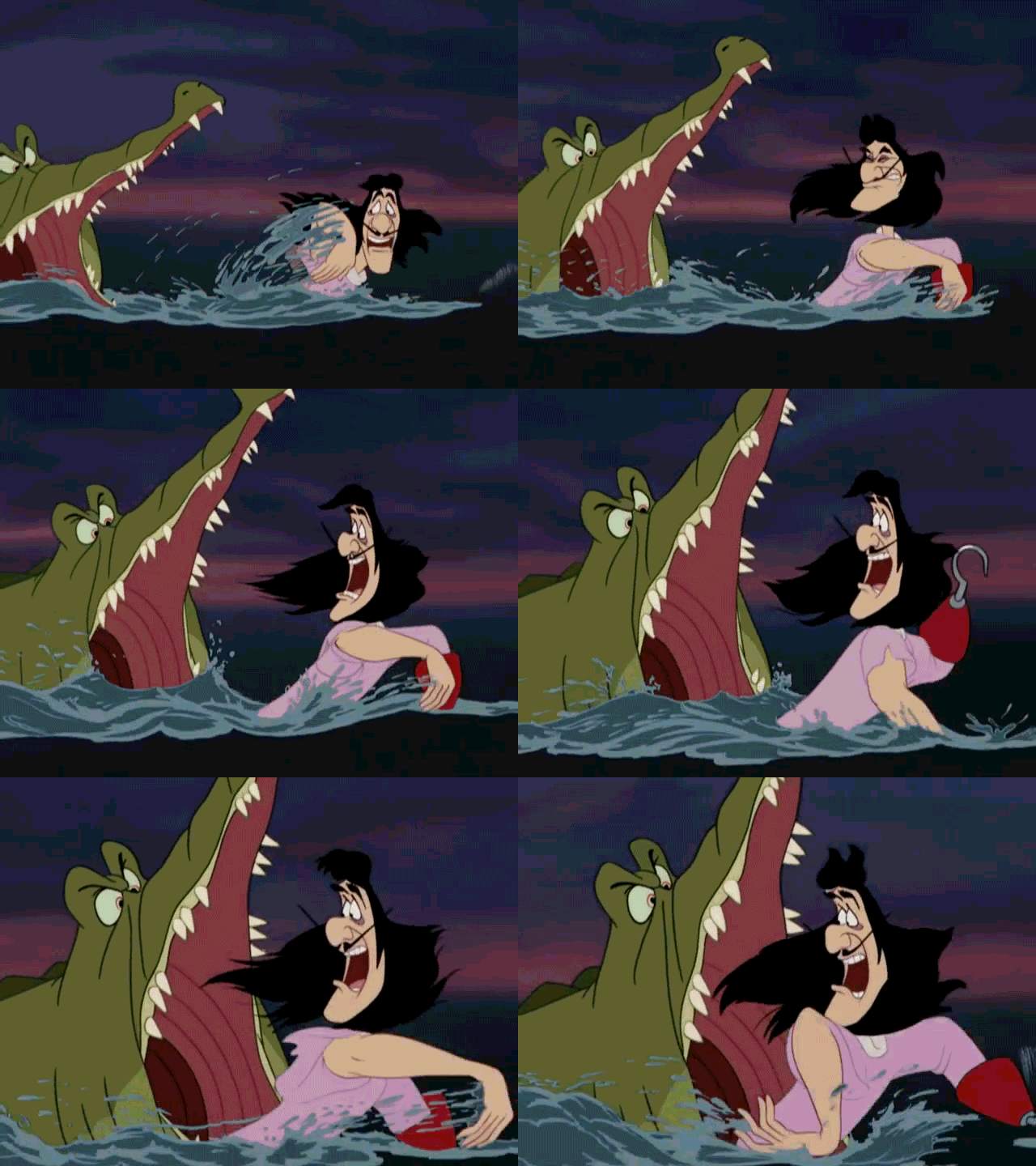
But it wasn’t only Disney Luminaries who made up the cast. The great Golden Age starlet Heather Angel (Bulldog Drummond) provided the voice of Mrs. Darling, Television superstar Tom Conway (The Falcon) voiced the narrator, and last but not least, unparalleled Radio King and stage veteran Hans Conried (Orson Welle’s Mercury Theatre Company) turned in the distinctive performance of the hilarious Captain Hook; a fan favorite villain. In fact, Hans’s voice is so comparatively unique, that it’s hard not to notice that he also plays Mr. Darling; continuing a peculiar tradition of the stage performance where the same actor always played both characters!

peter pan 57
Conried also played Hook in live-action reference footage so that Hook even looks and moves like him!

Above are rare photos of Conried in costume!

Enjoy these facts? Let us know in the comments! We want to know; what’s your favorite thing about Peter Pan?